Author name: Ayushi Rajput

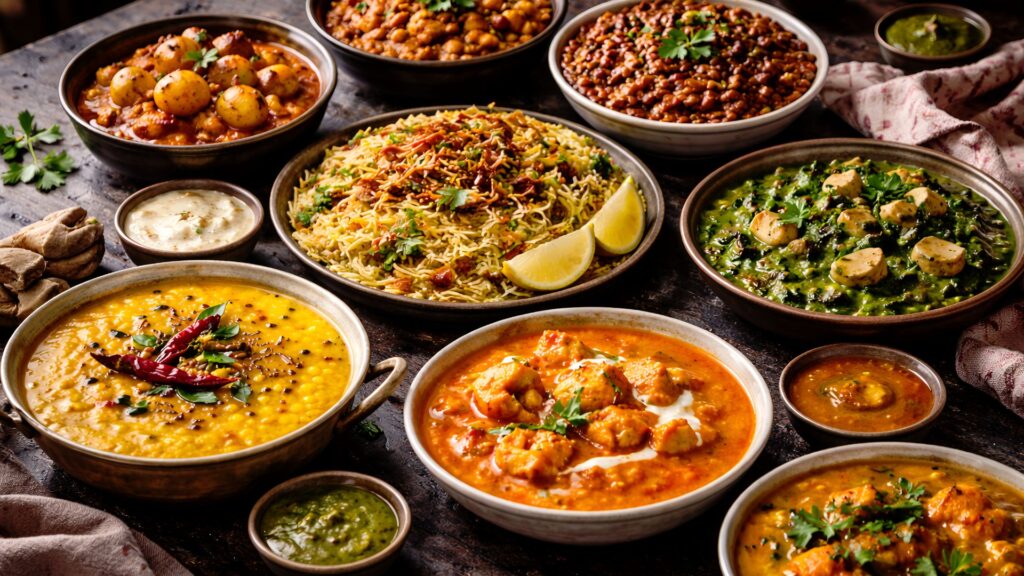
A professional kitchen counter displaying a variety of Indian meat dishes, including butter chicken, prawn curry, seekh kebabs, lamb curry, and tandoori chicken, served with fresh garnishes and spices | From Butter Chicken to Prawn Curry: 8 Indian Meat Dishes for 2026 | The Spice Angel
Meat & Non-Veg Specialties

From Butter Chicken to Prawn Curry: 8 Indian Meat Dishes for 2026

When people think about Indian cuisine, meat dishes often take center stage on restaurant menus worldwide. From the creamy richness of butter chicken to the coastal flavors of prawn curry, Indian meat dishes represent centuries of culinary tradition and regional diversity. At The Spice Angel, we believe these recipes deserve exploration beyond the familiar favorites. Nonveg dishes from across India showcase the incredible diversity of cooking techniques and flavor profiles available to home cooks. Authentic recipes from our archive prove that Indian meat dishes extend far beyond what most restaurants serve. The truth is, Indian meat dishes culture encompasses a wide variety of proteins, cooking methods, and regional styles that remain largely unknown to home cooks. Restaurant menus focus on crowd-pleasers rather than authentic regional specialties. In this article, we will explore eight recipes that demonstrate why Indian meat dishes deserve a prominent place in modern kitchens. These traditions represent centuries of culinary wisdom worth preserving and sharing with future generations who appreciate authentic flavors. Why Indian Meat Dishes Matter More Than Ever Indian food culture represents one of the most diverse culinary traditions on the planet. Each region developed unique cooking styles based on local ingredients, climate conditions, and cultural influences spanning thousands of years. Home cooking traditions carried stories that written records could not capture effectively. Families passed down recipes orally, with each generation adding their own subtle improvements while maintaining core techniques. The wisdom embedded in these cooking methods extends far beyond simple flavor combinations. Our ancestors understood heat management, marinade chemistry, and meat preparation long before these became modern cooking science. Chicken kheema preparations share similar ground meat techniques but differ in final presentation. This approach created balanced dishes that supported health across generations without requiring nutritional labels or calorie counting. Unfortunately, many young cooks today never learn these techniques from their elders. Migration to different cities and countries, urbanization, and changing family structures have disrupted the traditional kitchen apprenticeship model. This is why documenting and sharing these forgotten dishes has become such an important mission for culinary preservationists and food lovers. Knowledge is disappearing rapidly and needs preservation for future generations. The Wisdom Behind Traditional Meat Cooking Practices Traditional cooking operates on principles that modern cooking science is only now beginning to validate through research. The use of specific spice combinations was never arbitrary or random. Each blend served multiple purposes including flavor enhancement, meat tenderization, natural preservation, and digestive support. Spice blends used in cooking differ significantly from Western seasoning rubs available in supermarkets today. Marinating techniques with yogurt, lemon juice, and spices were designed to break down proteins effectively while infusing deep flavors. High-heat cooking methods used in tandoors increased Maillard reaction for superior browning and taste. Coal smoking techniques sometimes finish dishes for an additional layer of complexity at home. These techniques represent accumulated knowledge from centuries of careful observation, refinement, and practical experimentation. Understanding this wisdom helps us appreciate why preserving these recipes matters so much for cultural continuity. When we cook using traditional methods, we participate in a chain of cultural transmission stretching back hundreds of years. The flavors connect us to ancestors who perfected these recipes through trial, error, dedication, and love for their families. Recipe One: Classic Butter Chicken From Punjabi Kitchens Butter Chicken represents one of India’s most recognized culinary exports to the world. This creamy tomato-based curry was created in Delhi restaurants during the mid-twentieth century originally. The dish has since become a global ambassador for Indian cuisine in restaurants worldwide. Butter chicken recipes showcase how restaurant innovations can become home cooking staples across generations. The chicken gets marinated in yogurt and spices before cooking in a tandoor or conventional oven. The gravy combines tomatoes, butter, cream, and aromatic spices for its signature richness and flavor. Kasuri methi or dried fenugreek leaves provides the distinctive aroma that defines authentic Butter Chicken globally. This ingredient should never be skipped for genuine flavor that matches restaurant quality. Making Butter Chicken at home requires commitment to the marination process completely. The chicken should rest in spices for at least four hours, preferably overnight in refrigerator. Many modern cooks use cream alternatives for lighter versions with less calories. The effort invested pays off in a dish that feels truly special for family dinners. Recipe Two: Heritage Prawn Curry From Coastal Regions Prawn Curry showcases the significant coastal influence on Indian cuisine and cooking styles. This preparation highlights how communities living near water developed distinct cooking styles using available seafood ingredients. The curry balances heat, tanginess, and sweetness to complement the natural flavor of fresh prawns perfectly. Prawn curry benefits from proper coconut milk handling techniques for best results. The cooking process begins with tempering whole spices in coconut oil for authentic coastal flavor. Onion and tomato form the gravy base, cooked until oil separates from the mixture clearly. Prawns get added last to prevent overcooking, which makes them rubbery and unpleasant to eat. This timing requires attention but ensures perfect texture in the final dish served to family. Serving Prawn Curry requires attention to accompaniments for complete meal experience. Steamed rice absorbs the flavorful gravy while providing neutral balance to the spices. Fresh coriander and a squeeze of lime finish each bowl beautifully with bright notes. This recipe teaches respect for seafood and proper cooking timing that applies to all fish preparations. Recipe Three: Traditional Chicken Kheema With Green Peas Chicken Kheema represents the versatile side of Indian ground meat cooking across regions. This minced chicken preparation appears in countless regional variations across the entire subcontinent with local adaptations. The meat gets cooked with onions, tomatoes, and aromatic spices until it reaches the perfect consistency for serving. Chicken kheema preparations share similar ground meat techniques but differ in final presentation and accompaniments. The cooking process requires patience to develop deep flavors that define this dish properly. Ground chicken gets browned properly before adding any liquid ingredients to the pan. Whole spices like cardamom, cinnamon, and cloves infuse the oil

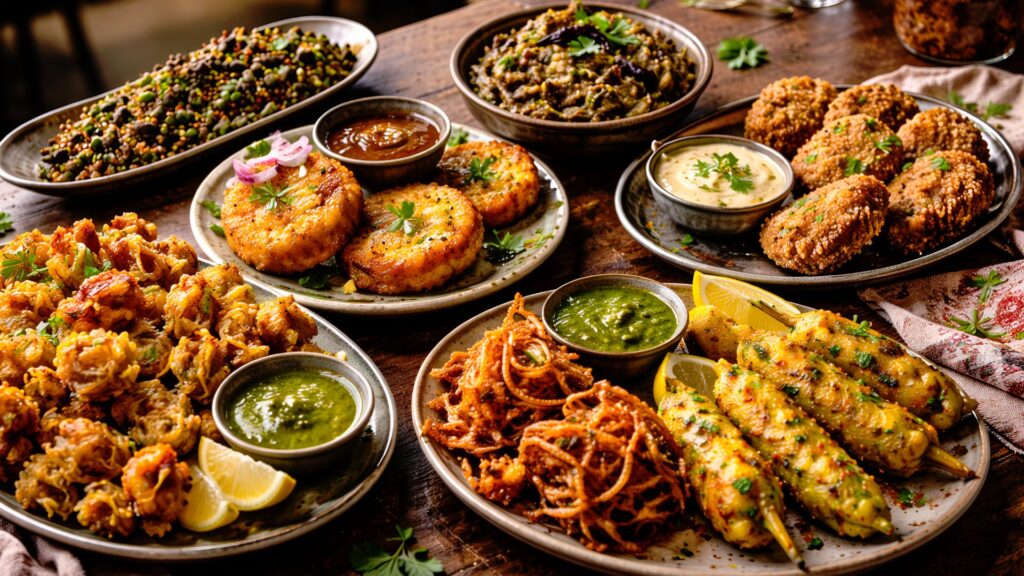
An outdoor feast featuring Indian grilling favorites, including lamb chops, seekh kebabs, grilled shrimp, and chicken wings served on metal platters with green chutney and lemon wedges around a charcoal grill| Tandoori Beyond Chicken: 6 Non-Veg Recipes Redefining Indian Grilling | The Spice Angel
Meat & Non-Veg Specialties

Tandoori Beyond Chicken: 6 Non-Veg Recipes Redefining Indian Grilling

When most people think of Indian grilling, tandoori chicken immediately comes to mind. It has become the face of an entire grilling tradition that runs much deeper than one popular dish. At The Spice Angel, we believe Indian grilling deserves exploration beyond the familiar favorites. Nonveg dishes from across India showcase the incredible diversity of grilling techniques and flavor profiles. Authentic recipes from our archive prove that Indian grilling extends far beyond chicken alone. The truth is, Indian grilling culture encompasses a wide variety of meats, seafood, and cooking methods that remain largely unknown to home cooks. Restaurant menus focus on crowd-pleasers rather than authentic regional specialties. In this article, we will explore six non-vegetarian recipes that demonstrate why Indian grilling deserves a prominent place in modern kitchens. These traditions represent centuries of culinary wisdom worth preserving and sharing with future generations who appreciate authentic flavors. Why Indian Grilling Matters More Than Ever Indian food culture represents one of the most diverse culinary traditions on the planet. Each region developed unique grilling styles based on local ingredients, climate conditions, and cultural influences spanning thousands of years. Home cooking traditions carried stories that written records could not capture effectively. Families passed down recipes orally, with each generation adding their own subtle improvements while maintaining core techniques. The wisdom embedded in these cooking methods extends far beyond simple flavor combinations. Our ancestors understood heat management, marinade chemistry, and meat preparation long before these became modern cooking science. Chicken kheema preparations share similar ground meat techniques but differ in final presentation. This approach created balanced dishes that supported health across generations without requiring nutritional labels or calorie counting. Unfortunately, many young cooks today never learn these techniques from their elders. Migration to different cities and countries, urbanization, and changing family structures have disrupted the traditional kitchen apprenticeship model. This is why documenting and sharing these forgotten dishes has become such an important mission for culinary preservationists and food lovers. Knowledge is disappearing rapidly and needs preservation for future generations. The Wisdom Behind Traditional Grilling Practices Traditional cooking operates on principles that modern cooking science is only now beginning to validate through research. The use of specific marinade combinations was never arbitrary or random. Each blend served multiple purposes including flavor enhancement, meat tenderization, natural preservation, and digestive support. Spice blends used in cooking differ significantly from Western BBQ rubs available in supermarkets today. Marinating techniques with yogurt, lemon juice, and spices were designed to break down proteins effectively while infusing deep flavors. High-heat cooking methods used in tandoors increased Maillard reaction for superior browning and taste. Coal smoking techniques sometimes finish dishes for an additional layer of complexity at home. These techniques represent accumulated knowledge from centuries of careful observation, refinement, and practical experimentation. Understanding this wisdom helps us appreciate why preserving these recipes matters so much for cultural continuity. When we cook using traditional methods, we participate in a chain of cultural transmission stretching back hundreds of years. The flavors connect us to ancestors who perfected these recipes through trial, error, dedication, and love for their families. Recipe One: Tandoori Lamb Chops With Yogurt Marinade Tandoori Lamb Chops represent the premium side of grilling across regions. This preparation appears in countless regional variations across the entire subcontinent with local adaptations. The meat gets marinated with yogurt, spices, and aromatic ingredients until it reaches the perfect flavor penetration. Cooking achieves restaurant-quality results at home with proper technique. The cooking process requires patience to develop deep flavors that define this dish properly. Lamb chops get marinated for at least six hours before grilling. Whole spices like cardamom, cinnamon, and cloves infuse the marinade before the meat touches the hot surface. These techniques build flavor layers systematically for superior taste and aroma. Making Tandoori Lamb Chops at home requires attention to the grilling process throughout. The meat should remain juicy without becoming dry during cooking. Many modern cooks add mint chutney for color and fresh flavor balance. Tandoori marinade recipes often incorporate similar spice blends for consistent flavor profiles. Proper marination time rewards cooks with exceptional results. Recipe Two: Grilled Fish Tikka From Coastal Regions Fish Tikka showcases the significant coastal influence on cooking styles across India. This preparation highlights how communities living near water developed distinct grilling styles using available seafood ingredients. The marinade balances heat, tanginess, and sweetness to complement the natural flavor of fresh fish perfectly. Cooking adapts to local ingredients effectively for authentic regional taste. The cooking process begins with marinating fish pieces in spiced yogurt mixture for several hours. Onion and tomato form accompaniments, grilled alongside the fish for complete meal. Fish gets added to high heat to prevent overcooking, which makes them fall apart. This timing requires attention but ensures perfect texture in the final dish served to family. Serving Fish Tikka requires attention to accompaniments for complete meal experience. Steamed rice absorbs the flavorful marinade while providing neutral balance to the spices. Fresh coriander and a squeeze of lime finish each plate beautifully with bright notes. This recipe teaches respect for seafood and proper cooking timing for best results. Recipe Three: Seekh Kebabs With Ground Meat Mastery Seekh Kebabs represent the versatile side of ground meat grilling across regions. This minced meat preparation appears in countless regional variations across the entire subcontinent with local adaptations. The meat gets mixed with onions, spices, and aromatic ingredients until it reaches the perfect consistency for skewering. Techniques vary by region significantly across the country. The cooking process requires patience to develop deep flavors that define this dish properly. Ground meat gets shaped onto skewers before grilling over high heat. Whole spices like cardamom, cinnamon, and cloves infuse the mixture before the meat touches the hot surface. These techniques require proper binding for successful skewering without falling apart. Making Seekh Kebabs at home requires attention to the grilling process throughout. The meat should remain moist without becoming dry during cooking. Many modern cooks add fresh herbs for color and flavor balance.

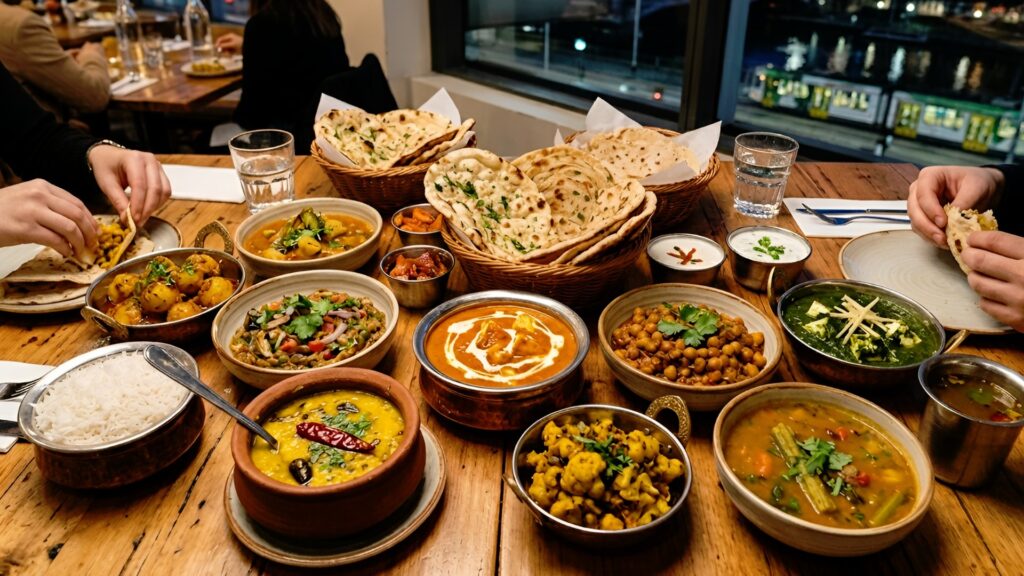
A flat-lay spread of authentic Indian home cooking featuring a variety of traditional dishes like dal, prawn curry, butter chicken, tandoori chicken, and chai, arranged on a green marble and brass table | The Lost Art of Indian Home Cooking: 8 Recipes From The Spice Angel Archive | The Spice Angel
Heritage & Traditional Cooking

The Lost Art of Indian Home Cooking: 8 Recipes From The Spice Angel Archive

There was a time when Indian kitchens operated on rhythms dictated by seasons, family gatherings, and generations of accumulated wisdom. The aromas that drifted from neighborhood homes told stories of regional identities, family traditions, and culinary techniques perfected over centuries. At The Spice Angel, we have spent years documenting and preserving these disappearing recipes. Kashmiri Pandit cuisine holds centuries of heritage that deserves attention beyond the popular favorites. Authentic recipes from our archive represent more than just instructions. They represent living history worth protecting and sharing with future generations of Indian home cooking enthusiasts. The truth is, Indian home cooking faces an existential threat in 2026. Busy lifestyles, restaurant culture, and the loss of intergenerational knowledge transfer have put these treasured recipes at risk. Young cooks increasingly rely on delivery apps and pre-made mixes rather than learning from family elders. In this article, we will explore eight recipes from The Spice Angel archive that demonstrate why Indian home cooking deserves preservation and revival in modern kitchens. These Indian home cooking traditions must be protected for future generations. Why Indian Home Cooking Matters More Than Ever Indian food culture represents one of the most diverse culinary traditions on the planet. Each region developed unique cooking styles based on local ingredients, climate conditions, and cultural influences spanning thousands of years. Home cooking traditions carried stories that written records could not capture effectively. Families passed down recipes orally, with each generation adding their own subtle improvements while maintaining core techniques and flavor profiles. These Indian home cooking traditions represent cultural heritage. The wisdom embedded in Indian home cooking extends far beyond simple flavor combinations. Our ancestors understood nutrition, food preservation, and seasonal eating long before these became modern wellness trends. Vegetarian dishes formed the backbone of daily meals across most regions, with meat reserved for special occasions and celebrations. This approach created balanced diets that supported health across generations without requiring nutritional labels, calorie counting, or macro tracking. Indian home cooking promoted natural wellness. Unfortunately, many young cooks today never learn these recipes from their elders due to various life circumstances. Migration to different cities and countries, urbanization, and changing family structures have disrupted the traditional kitchen apprenticeship model that existed for centuries. This is why documenting and sharing these forgotten dishes has become such an important mission for culinary preservationists and food lovers who understand what we stand to lose. Indian home cooking knowledge is disappearing rapidly. The Wisdom Behind Traditional Indian Kitchen Practices Traditional Indian cooking operates on principles that modern nutrition science is only now beginning to validate through research. The use of specific spice combinations was never arbitrary or random. Each blend served multiple purposes including flavor enhancement, digestion support, natural food preservation, and medicinal benefits. Spice blends used in ancestral cooking differ significantly from commercial curry powders available in supermarkets today. Indian home cooking relied on whole spices. Tempering techniques with mustard oil, ghee, or coconut oil were designed to release fat-soluble nutrients from spices effectively. Fermentation processes used in dosa and idli batters increased bioavailability of vitamins and minerals naturally. Cooking rice methods varied by region and grain type, optimizing texture and nutritional retention for different body types and climates. These techniques represent accumulated knowledge from centuries of careful observation, refinement, and practical experimentation. Indian home cooking techniques were scientifically sound. Understanding this wisdom helps us appreciate why preserving these recipes matters so much for cultural continuity. When we cook an Indian home dish using traditional methods, we participate in a chain of cultural transmission stretching back hundreds of years. The flavors connect us to ancestors who perfected these recipes through trial, error, dedication, and love for their families. Indian home cooking connects generations meaningfully. Recipe One: Traditional Dal Tadka With Whole Spices Dal Tadka represents the everyday comfort food found in countless Indian households across all regions. This lentil preparation might seem simple on the surface, but its flavor profile contains layers of complexity achieved through proper tempering technique. Simple recipes like this prove that culinary sophistication does not require complicated ingredient lists or expensive equipment. Indian home cooking proves simplicity creates excellence. The secret to great dal lies entirely in the tempering process called tadka in Hindi. Whole cumin seeds, mustard seeds, dried red chilies, and asafoetida get fried in hot ghee until fragrant and popping. This mixture gets poured over cooked lentils immediately, releasing aromas that fill the entire home and signal mealtime to family members. Dal and bhuna masala techniques share similar principles of building layered flavors through proper spice treatment and timing. Indian home cooking depends on proper tempering. Many families have their own variations of this recipe passed through multiple generations. Some add tomatoes for tanginess and color, others include spinach or other greens for extra nutrition. Fried veggies often accompany dal for a complete vegetarian meal that satisfies hunger and provides balanced nutrition. This dish reminds us that humble ingredients can create extraordinary meals when treated with care, respect, and proper technique. Indian home cooking elevates humble ingredients. Recipe Two: Authentic Dum Aloo From Kashmiri Pandit Kitchens Dum Aloo stands as a testament to Kashmiri Pandit culinary ingenuity and constraint-driven creativity. This potato curry achieves remarkable depth of flavor without using onion or garlic, ingredients common in most Indian curries from other regions. The restriction led cooks to develop alternative flavor-building techniques that remain unique to this specific cuisine tradition. Dum Aloo recipes showcase how constraints can spark creativity in the kitchen rather than limiting possibilities. Indian home cooking thrives on constraints. The gravy base relies on yogurt, ginger powder, and fennel powder for its distinctive taste profile. Baby potatoes get boiled, peeled carefully, and then simmered slowly in the spiced yogurt mixture until tender. Red Kashmiri chilies provide vibrant color without overwhelming heat that would mask other flavors. This balance makes the dish accessible to various palates while maintaining authenticity and cultural integrity. Indian home cooking balances flavors masterfully. Modern cooks often struggle with yogurt-based gravies because they

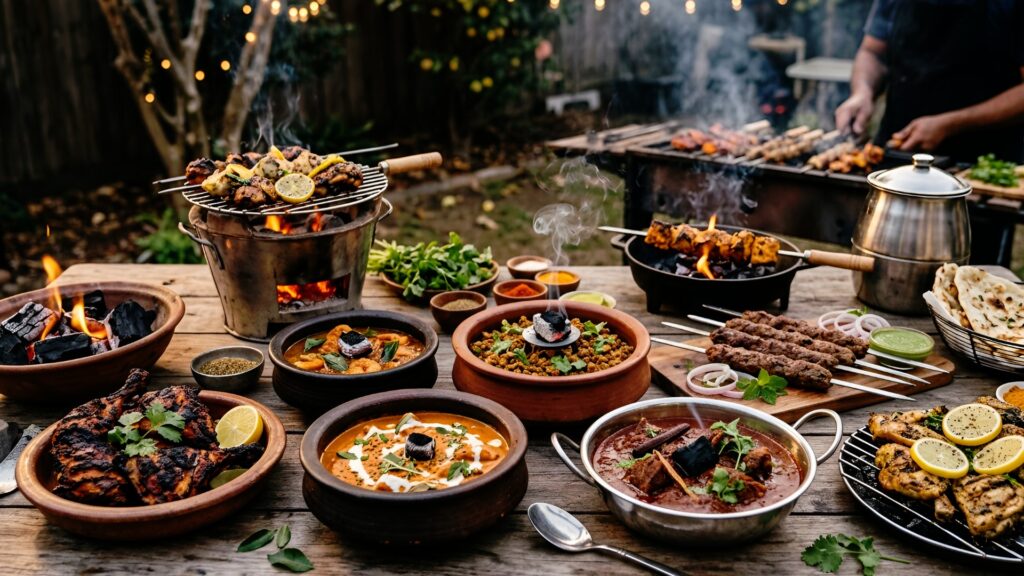
A vibrant spread of ancestral Indian recipes featuring traditional curries, lentil dal, spiced rice, naan bread, and grilled meats served in rustic bowls with authentic herbs and spices | Grandmother's Kitchen: 10 Ancestral Indian Recipes Still Relevant Today | The Spice Angel
Heritage & Traditional Cooking

Grandmother’s Kitchen: 10 Ancestral Indian Recipes Still Relevant Today

There is something magical about the food our grandmothers cooked. The aromas that filled their kitchens, the techniques they mastered without measuring cups, and the love they poured into every dish created memories that last lifetimes. At The Spice Angel, we believe these ancestral Indian recipes deserve to be preserved and celebrated. Kashmiri Pandit cuisine holds centuries of heritage that deserves attention beyond the popular favorites. Authentic recipes from our ancestors connect us to our cultural roots in ways that restaurant meals never could. The truth is, many of these treasured ancestral Indian recipes are slowly disappearing from modern tables. Busy lifestyles, convenience foods, and the loss of intergenerational cooking knowledge have put these dishes at risk. In this article, we will explore ten ancestral Indian recipes that remain incredibly relevant in 2026. These dishes prove that old-world cooking techniques and flavors still have a vital place in contemporary kitchens. Why Ancestral Indian Recipes Matter in 2026 Indian food culture represents one of the oldest continuous culinary traditions in the world. Each region developed unique cooking styles based on local ingredients, climate, and cultural influences spanning thousands of years. Home cooking traditions carried stories that written records could not capture effectively. Families passed down recipes orally, with each generation adding their own subtle improvements while maintaining core techniques. The wisdom embedded in these ancestral Indian recipes extends beyond flavor profiles. Our grandmothers understood nutrition, food preservation, and seasonal eating long before these became modern trends. Vegetarian dishes formed the backbone of daily meals, with meat reserved for special occasions. This approach created balanced diets that supported health across generations without requiring nutritional labels or calorie counting. Unfortunately, many young cooks today never learn these ancestral Indian recipes from their elders. Migration, urbanization, and changing family structures have disrupted the traditional kitchen apprenticeship model. This is why documenting and sharing these forgotten dishes has become such an important mission for culinary preservationists and food lovers alike. The Wisdom Behind Traditional Indian Cooking Practices Traditional Indian cooking operates on principles that modern nutrition science is only now validating through research. The use of specific spice combinations was never arbitrary or random. Each blend served multiple purposes including flavor enhancement, digestion support, and natural food preservation. Spice blends used in ancestral cooking differ significantly from commercial curry powders available today. Tempering techniques with mustard oil, ghee, or coconut oil were designed to release fat-soluble nutrients from spices effectively. Fermentation processes used in dosa and idli batters increased bioavailability of vitamins and minerals naturally. Cooking rice methods varied by region and grain type, optimizing texture and nutritional retention for different body types. These techniques represent accumulated knowledge from centuries of careful observation and refinement. Understanding this wisdom helps us appreciate why preserving these ancestral Indian recipes matters so much for cultural continuity. When we cook an ancestral Indian dish using traditional methods, we participate in a chain of cultural transmission stretching back hundreds of years. The flavors connect us to ancestors who perfected these recipes through trial, error, dedication, and love. Recipe One: Traditional Dal Tadka With Whole Spices Dal Tadka represents the everyday comfort food found in countless Indian households across all regions. This lentil preparation might seem simple on the surface, but its flavor profile contains layers of complexity achieved through proper tempering technique. Simple recipes like this prove that culinary sophistication does not require complicated ingredient lists. The secret to great dal lies entirely in the tempering process called tadka in Hindi. Whole cumin seeds, mustard seeds, dried red chilies, and asafoetida get fried in hot ghee until fragrant and popping. This mixture gets poured over cooked lentils immediately, releasing aromas that fill the entire home. Dal and bhuna masala techniques share similar principles of building layered flavors through proper spice treatment. Many families have their own variations of these ancestral Indian recipes passed through multiple generations. Some add tomatoes for tanginess and color, others include spinach for extra nutrition. Fried veggies often accompany dal for a complete vegetarian meal. This dish reminds us that humble ingredients can create extraordinary meals when treated with care. Recipe Two: Authentic Dum Aloo From Kashmiri Pandit Kitchens Dum Aloo stands as a testament to Kashmiri Pandit culinary ingenuity and constraint-driven creativity. This potato curry achieves remarkable depth of flavor without using onion or garlic. The restriction led cooks to develop alternative flavor-building techniques that remain unique to this cuisine tradition. Dum Aloo recipes showcase how constraints can spark creativity in the kitchen. The gravy base relies on yogurt, ginger powder, and fennel powder for its distinctive taste profile. Baby potatoes get boiled, peeled carefully, and then simmered slowly in the spiced yogurt mixture until tender. Red Kashmiri chilies provide vibrant color without overwhelming heat that would mask other flavors. This balance makes the dish accessible to various palates while maintaining authenticity. Modern cooks often struggle with yogurt-based gravies because they can split during cooking if handled improperly. The key is maintaining low heat and stirring gently throughout the entire cooking process. Some recipes add a tablespoon of rice flour to stabilize the sauce. Parathas and flat breads pair beautifully with Dum Aloo for a complete meal. Recipe Three: Classic Baingan Bharta With Smoky Flavor Baingan Bharta brings the smoky flavor of traditional clay ovens into modern home kitchens effectively. This eggplant preparation requires patience and attention but delivers rewards that justify the effort invested. The Kashmiri version keeps flavors light while maintaining richness through careful spice selection. Baingan recipes often use similar spice combinations. The eggplant gets roasted directly over open flame until the skin chars completely and the flesh becomes soft and smoky. This smoking process creates the signature flavor that distinguishes bharta from other eggplant dishes in Indian cuisine. The roasted flesh gets scooped out, mashed roughly, and cooked with tomatoes, ginger, and green chilies. Tandoori chicken and other meat dishes benefit from similar smoking techniques. The texture of Baingan Bharta should be coarse with visible pieces of eggplant throughout. Over-mashing

Kashmiri recipes featuring Haak Saag, Dum Olav, Nadru Yakhni, Tchaman Qaliya, Rista, Yakhni Lamb, and Muji Gaad arranged in a modern chef kitchen setting | Beyond Rogan Josh: 7 Traditional Kashmiri Recipes Worth Reviving in 2026 | The Spice Angel
Heritage & Traditional Cooking

Beyond Rogan Josh: 7 Traditional Kashmiri Recipes Worth Reviving in 2026

When people hear about Kashmiri food, their minds immediately jump to one famous dish. Rogan Josh has become the ambassador of an entire culinary tradition that runs much deeper than a single curry. At The Spice Angel, we believe every dish tells a story, and every spice carries a memory worth preserving. Kashmiri Pandit cuisine holds centuries of heritage that deserves attention beyond the popular favorites. Authentic recipes from the valley contain layers of flavor and history that many home cooks have never explored. The truth is, Kashmiri cuisine extends far beyond what most restaurants serve. There are traditional Kashmiri recipes waiting to be rediscovered and brought back to modern kitchens. These dishes represent more than just food. They represent resilience, tradition, and a cultural identity that has survived through generations. In this article, we will explore seven lesser-known Kashmiri recipes that deserve a place on your dining table in 2026. Why Kashmiri Recipes Deserve More Attention in 2026 Kashmiri food culture is one of the most sophisticated in the Indian subcontinent. The valley’s unique geography shaped its cooking styles over hundreds of years. Located between Central Asia and the Indian plains, Kashmir absorbed influences from Persian, Afghan, and Mughal traditions.Traditional cooking methods passed down through families contain techniques that modern kitchens often overlook. The Kashmiri Pandit community developed a distinct style of cooking that avoided onion and garlic while maximizing flavor through aromatic spices. This approach created dishes with subtle complexity that balanced heat, sweetness, and tanginess perfectly. Spice blends used in Kashmiri cooking differ significantly from other Indian regional cuisines. The use of dried ginger, fennel, and asafoetida creates signature flavors that define authentic Kashmiri dishes. Unfortunately, many of these recipes have faded from common knowledge. Younger generations growing up outside Kashmir often never learn these dishes from their grandparents. Restaurant menus focus on crowd-pleasers rather than authentic regional specialties. This is why documenting and sharing these forgotten dishes has become such an important mission for culinary preservationists and home cooks alike. The Rich History Behind Kashmiri Pandit Cooking Kashmiri Pandit cuisine represents one of the oldest continuous culinary traditions in India. The community’s migration history and cultural preservation efforts have kept these recipes alive through challenging times. Food became a way to maintain identity when so much else was lost or changed. Home cooking traditions carried stories that written records could not capture. The cooking style emphasizes pure vegetarian preparations alongside distinctive meat dishes. Each recipe follows specific rules about spice combinations and cooking techniques. These guidelines were never written down but passed orally from mother to daughter. Vegetarian dishes form the backbone of daily meals, while meat preparations appear during festivals and special occasions. Understanding this history helps us appreciate why preserving these recipes matters so much. When we cook a traditional Kashmiri dish, we participate in a chain of cultural transmission stretching back centuries. The flavors connect us to ancestors who perfected these recipes over generations. This connection makes cooking feel meaningful beyond just feeding ourselves. Recipe One: Kashmiri Haak Saag with Mustard Oil Haak Saag represents the everyday comfort food of Kashmiri households. This simple collard greens preparation might seem basic, but its flavor profile is anything but ordinary. The dish relies on mustard oil and minimal spices to let the greens shine. Simple recipes like this prove that complexity is not necessary for delicious results. The secret to great Haak Saag lies in the cooking technique. Greens must be washed thoroughly and cooked slowly over medium heat. Mustard oil gets heated until it stops smoking, then asafoetida and dried red chilies temper the dish. This method creates a distinctive aroma that fills the entire kitchen. Cooking rice alongside Haak Saag completes the traditional meal experience. Many families have their own variations of this recipe. Some add a pinch of baking soda to keep the greens bright green. Others finish with a squeeze of lemon for extra tang. Fried veggies often accompany Haak Saag during winter months when fresh greens are abundant. This dish reminds us that humble ingredients can create extraordinary meals when treated with care and respect. Recipe Two: Kashmiri Dum Olav Without Onion or Garlic Dum Olav stands as a testament to Kashmiri Pandit culinary ingenuity. This potato curry achieves deep flavor without using onion or garlic, ingredients common in most Indian curries. The restriction led cooks to develop alternative flavor-building techniques that remain unique to this cuisine. Dum Aloo recipes showcase how constraints can spark creativity in the kitchen. The gravy base relies on yogurt, ginger powder, and fennel powder for its distinctive taste. Potatoes get boiled, peeled, and then simmered slowly in the spiced yogurt mixture. Red Kashmiri chilies provide color without overwhelming heat. This balance makes the dish accessible to various palates while maintaining authenticity. Dal and bhuna masala techniques share similar principles of building layered flavors. Modern cooks often struggle with yogurt-based gravies because they can split during cooking. The key is maintaining low heat and stirring gently throughout the process. Some recipes add a tablespoon of rice flour to stabilize the sauce. Parathas and flat breads pair beautifully with Dum Olav for a complete meal. This dish proves that restrictions in cooking often lead to the most innovative and memorable results. Recipe Three: Kashmiri Nadru Yakhni with Lotus Stem Nadru Yakhni features lotus stem, an ingredient that surprises many people outside Kashmir. Lotus roots grow in the valley’s lakes and marshes, providing a crunchy vegetable with mild flavor. The yakhni preparation uses yogurt and aromatic spices to create a delicate, fragrant curry. Nonveg dishes often receive more attention, but this vegetarian preparation deserves equal recognition. Preparing lotus stem requires some patience. The roots must be peeled carefully and sliced into rounds or lengthwise strips. Soaking them in water with a bit of vinegar prevents discoloration. The yogurt gravy gets flavored with cardamom, cinnamon, and bay leaves for subtle warmth. Elchi cardamom plays a crucial role in achieving the authentic aroma. This dish appears frequently during

Scroll to Top