Meat & Non-Veg Specialties

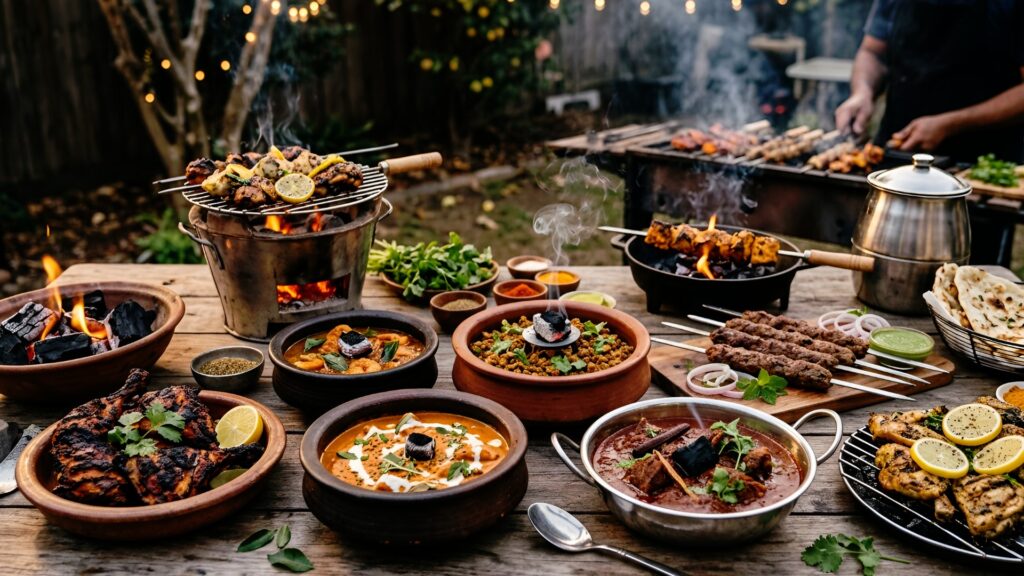
A spread of coal-cooked Indian meat dishes, including tandoori chicken, seekh kebabs, and various curries, arranged on a rustic wooden table with outdoor charcoal grills in the background | Smoky & Spicy: Mastering Coal-Cooked Indian Meat Recipes at Home | The Spice Angel
Meat & Non-Veg Specialties

Smoky & Spicy: Mastering Coal-Cooked Indian Meat Recipes at Home

There is something primal and satisfying about the aroma of meat cooking over hot coal. The smoky fragrance that fills the air, the sizzling sounds, and the anticipation of that first bite create an experience that transcends ordinary cooking. At The Spice Angel, we believe coal-cooked Indian meat represents one of the most authentic cooking traditions worth preserving. Nonveg dishes prepared over coal showcase the incredible depth of flavor that only this method can achieve. Authentic recipes from our archive prove that coal-cooked Indian meat extends far beyond what most restaurants serve today. The truth is, coal-cooked Indian meat culture encompasses a wide variety of proteins, cooking methods, and regional styles that remain largely unknown to home cooks. Restaurant menus focus on crowd-pleasers rather than authentic regional specialties. In this article, we will explore eight recipes that demonstrate why coal-cooked Indian meat deserves a prominent place in modern kitchens. These coal-cooked Indian meat traditions represent centuries of culinary wisdom worth preserving and sharing with future generations who appreciate authentic flavors. Why Coal-Cooked Indian Meat Matters More Than Ever Indian food culture represents one of the most diverse culinary traditions on the planet. Each region developed unique cooking styles based on local ingredients, climate conditions, and cultural influences spanning thousands of years. Home cooking traditions carried stories that written records could not capture effectively. Families passed down coal-cooked Indian meat recipes orally, with each generation adding their own subtle improvements while maintaining core techniques. The wisdom embedded in these cooking methods extends far beyond simple flavor combinations. Our ancestors understood heat management, smoke infusion, and meat preparation long before these became modern cooking science. Chicken kheema preparations share similar ground meat techniques but differ in final presentation. This approach created balanced coal-cooked Indian meat dishes that supported health across generations without requiring nutritional labels or calorie counting. Unfortunately, many young cooks today never learn these techniques from their elders. Migration to different cities and countries, urbanization, and changing family structures have disrupted the traditional kitchen apprenticeship model. This is why documenting and sharing these forgotten dishes has become such an important mission for culinary preservationists and food lovers. Coal-cooked Indian meat knowledge is disappearing rapidly and needs preservation for future generations. The Wisdom Behind Coal Cooking Practices Traditional cooking operates on principles that modern cooking science is only now beginning to validate through research. The use of specific spice combinations was never arbitrary or random. Each blend served multiple purposes including flavor enhancement, meat tenderization, natural preservation, and digestive support. Spice blends used in coal-cooked Indian meat differ significantly from Western seasoning rubs available in supermarkets today. Marinating techniques with yogurt, lemon juice, and spices were designed to break down proteins effectively while infusing deep flavors. High-heat cooking methods used with coal increased Maillard reaction for superior browning and taste. Coal smoking techniques sometimes finish dishes for an additional layer of complexity at home. These techniques represent accumulated knowledge from centuries of careful observation, refinement, and practical experimentation in coal-cooked Indian meat. Understanding this wisdom helps us appreciate why preserving these recipes matters so much for cultural continuity. When we cook using traditional methods, we participate in a chain of cultural transmission stretching back hundreds of years. The flavors connect us to ancestors who perfected these coal-cooked Indian meat recipes through trial, error, dedication, and love for their families. Recipe One: Classic Tandoori Chicken Over Coal Tandoori Chicken represents one of India’s most recognized coal-cooked dishes worldwide. This marinated chicken preparation was traditionally cooked in clay tandoor ovens over hot coal. The dish has since become a global ambassador for coal-cooked Indian meat in restaurants worldwide. Tandoori chicken recipes showcase how traditional coal cooking can become home cooking staples across generations. The chicken gets marinated in yogurt and spices before cooking over hot coal in a tandoor or conventional setup. The marinade combines tomatoes, butter, cream, and aromatic spices for its signature richness and flavor. Kasuri methi or dried fenugreek leaves provides the distinctive aroma that defines authentic Tandoori Chicken globally. This ingredient should never be skipped for genuine flavor that matches restaurant quality in coal-cooked Indian meat. Making Tandoori Chicken at home requires commitment to the marination process completely. The chicken should rest in spices for at least four hours, preferably overnight in refrigerator. Many modern cooks use cream alternatives for lighter versions with less calories. The effort invested pays off in a dish that feels truly special for family dinners featuring coal-cooked Indian meat. Recipe Two: Heritage Prawn Curry With Coal Finish Prawn Curry showcases the significant coastal influence on Indian cuisine and cooking styles. This preparation highlights how communities living near water developed distinct cooking styles using available seafood ingredients. The curry balances heat, tanginess, and sweetness to complement the natural flavor of fresh prawns perfectly. Prawn curry benefits from proper coconut milk handling techniques for best results in coal-cooked Indian meat. The cooking process begins with tempering whole spices in coconut oil for authentic coastal flavor. Onion and tomato form the gravy base, cooked until oil separates from the mixture clearly. Prawns get added last to prevent overcooking, which makes them rubbery and unpleasant to eat. This timing requires attention but ensures perfect texture in the final dish served to family who love coal-cooked Indian meat. Serving Prawn Curry requires attention to accompaniments for complete meal experience. Steamed rice absorbs the flavorful gravy while providing neutral balance to the spices. Fresh coriander and a squeeze of lime finish each bowl beautifully with bright notes. This recipe teaches respect for seafood and proper cooking timing that applies to all coal-cooked Indian meat preparations. Recipe Three: Traditional Chicken Kheema With Coal Smoking Chicken Kheema represents the versatile side of Indian ground meat cooking across regions. This minced chicken preparation appears in countless regional variations across the entire subcontinent with local adaptations. The meat gets cooked with onions, tomatoes, and aromatic spices until it reaches the perfect consistency for serving. Chicken kheema preparations share similar ground meat techniques but

A professional kitchen counter displaying a variety of Indian meat dishes, including butter chicken, prawn curry, seekh kebabs, lamb curry, and tandoori chicken, served with fresh garnishes and spices | From Butter Chicken to Prawn Curry: 8 Indian Meat Dishes for 2026 | The Spice Angel
Meat & Non-Veg Specialties

From Butter Chicken to Prawn Curry: 8 Indian Meat Dishes for 2026

When people think about Indian cuisine, meat dishes often take center stage on restaurant menus worldwide. From the creamy richness of butter chicken to the coastal flavors of prawn curry, Indian meat dishes represent centuries of culinary tradition and regional diversity. At The Spice Angel, we believe these recipes deserve exploration beyond the familiar favorites. Nonveg dishes from across India showcase the incredible diversity of cooking techniques and flavor profiles available to home cooks. Authentic recipes from our archive prove that Indian meat dishes extend far beyond what most restaurants serve. The truth is, Indian meat dishes culture encompasses a wide variety of proteins, cooking methods, and regional styles that remain largely unknown to home cooks. Restaurant menus focus on crowd-pleasers rather than authentic regional specialties. In this article, we will explore eight recipes that demonstrate why Indian meat dishes deserve a prominent place in modern kitchens. These traditions represent centuries of culinary wisdom worth preserving and sharing with future generations who appreciate authentic flavors. Why Indian Meat Dishes Matter More Than Ever Indian food culture represents one of the most diverse culinary traditions on the planet. Each region developed unique cooking styles based on local ingredients, climate conditions, and cultural influences spanning thousands of years. Home cooking traditions carried stories that written records could not capture effectively. Families passed down recipes orally, with each generation adding their own subtle improvements while maintaining core techniques. The wisdom embedded in these cooking methods extends far beyond simple flavor combinations. Our ancestors understood heat management, marinade chemistry, and meat preparation long before these became modern cooking science. Chicken kheema preparations share similar ground meat techniques but differ in final presentation. This approach created balanced dishes that supported health across generations without requiring nutritional labels or calorie counting. Unfortunately, many young cooks today never learn these techniques from their elders. Migration to different cities and countries, urbanization, and changing family structures have disrupted the traditional kitchen apprenticeship model. This is why documenting and sharing these forgotten dishes has become such an important mission for culinary preservationists and food lovers. Knowledge is disappearing rapidly and needs preservation for future generations. The Wisdom Behind Traditional Meat Cooking Practices Traditional cooking operates on principles that modern cooking science is only now beginning to validate through research. The use of specific spice combinations was never arbitrary or random. Each blend served multiple purposes including flavor enhancement, meat tenderization, natural preservation, and digestive support. Spice blends used in cooking differ significantly from Western seasoning rubs available in supermarkets today. Marinating techniques with yogurt, lemon juice, and spices were designed to break down proteins effectively while infusing deep flavors. High-heat cooking methods used in tandoors increased Maillard reaction for superior browning and taste. Coal smoking techniques sometimes finish dishes for an additional layer of complexity at home. These techniques represent accumulated knowledge from centuries of careful observation, refinement, and practical experimentation. Understanding this wisdom helps us appreciate why preserving these recipes matters so much for cultural continuity. When we cook using traditional methods, we participate in a chain of cultural transmission stretching back hundreds of years. The flavors connect us to ancestors who perfected these recipes through trial, error, dedication, and love for their families. Recipe One: Classic Butter Chicken From Punjabi Kitchens Butter Chicken represents one of India’s most recognized culinary exports to the world. This creamy tomato-based curry was created in Delhi restaurants during the mid-twentieth century originally. The dish has since become a global ambassador for Indian cuisine in restaurants worldwide. Butter chicken recipes showcase how restaurant innovations can become home cooking staples across generations. The chicken gets marinated in yogurt and spices before cooking in a tandoor or conventional oven. The gravy combines tomatoes, butter, cream, and aromatic spices for its signature richness and flavor. Kasuri methi or dried fenugreek leaves provides the distinctive aroma that defines authentic Butter Chicken globally. This ingredient should never be skipped for genuine flavor that matches restaurant quality. Making Butter Chicken at home requires commitment to the marination process completely. The chicken should rest in spices for at least four hours, preferably overnight in refrigerator. Many modern cooks use cream alternatives for lighter versions with less calories. The effort invested pays off in a dish that feels truly special for family dinners. Recipe Two: Heritage Prawn Curry From Coastal Regions Prawn Curry showcases the significant coastal influence on Indian cuisine and cooking styles. This preparation highlights how communities living near water developed distinct cooking styles using available seafood ingredients. The curry balances heat, tanginess, and sweetness to complement the natural flavor of fresh prawns perfectly. Prawn curry benefits from proper coconut milk handling techniques for best results. The cooking process begins with tempering whole spices in coconut oil for authentic coastal flavor. Onion and tomato form the gravy base, cooked until oil separates from the mixture clearly. Prawns get added last to prevent overcooking, which makes them rubbery and unpleasant to eat. This timing requires attention but ensures perfect texture in the final dish served to family. Serving Prawn Curry requires attention to accompaniments for complete meal experience. Steamed rice absorbs the flavorful gravy while providing neutral balance to the spices. Fresh coriander and a squeeze of lime finish each bowl beautifully with bright notes. This recipe teaches respect for seafood and proper cooking timing that applies to all fish preparations. Recipe Three: Traditional Chicken Kheema With Green Peas Chicken Kheema represents the versatile side of Indian ground meat cooking across regions. This minced chicken preparation appears in countless regional variations across the entire subcontinent with local adaptations. The meat gets cooked with onions, tomatoes, and aromatic spices until it reaches the perfect consistency for serving. Chicken kheema preparations share similar ground meat techniques but differ in final presentation and accompaniments. The cooking process requires patience to develop deep flavors that define this dish properly. Ground chicken gets browned properly before adding any liquid ingredients to the pan. Whole spices like cardamom, cinnamon, and cloves infuse the oil

An outdoor feast featuring Indian grilling favorites, including lamb chops, seekh kebabs, grilled shrimp, and chicken wings served on metal platters with green chutney and lemon wedges around a charcoal grill| Tandoori Beyond Chicken: 6 Non-Veg Recipes Redefining Indian Grilling | The Spice Angel
Meat & Non-Veg Specialties

Tandoori Beyond Chicken: 6 Non-Veg Recipes Redefining Indian Grilling

When most people think of Indian grilling, tandoori chicken immediately comes to mind. It has become the face of an entire grilling tradition that runs much deeper than one popular dish. At The Spice Angel, we believe Indian grilling deserves exploration beyond the familiar favorites. Nonveg dishes from across India showcase the incredible diversity of grilling techniques and flavor profiles. Authentic recipes from our archive prove that Indian grilling extends far beyond chicken alone. The truth is, Indian grilling culture encompasses a wide variety of meats, seafood, and cooking methods that remain largely unknown to home cooks. Restaurant menus focus on crowd-pleasers rather than authentic regional specialties. In this article, we will explore six non-vegetarian recipes that demonstrate why Indian grilling deserves a prominent place in modern kitchens. These traditions represent centuries of culinary wisdom worth preserving and sharing with future generations who appreciate authentic flavors. Why Indian Grilling Matters More Than Ever Indian food culture represents one of the most diverse culinary traditions on the planet. Each region developed unique grilling styles based on local ingredients, climate conditions, and cultural influences spanning thousands of years. Home cooking traditions carried stories that written records could not capture effectively. Families passed down recipes orally, with each generation adding their own subtle improvements while maintaining core techniques. The wisdom embedded in these cooking methods extends far beyond simple flavor combinations. Our ancestors understood heat management, marinade chemistry, and meat preparation long before these became modern cooking science. Chicken kheema preparations share similar ground meat techniques but differ in final presentation. This approach created balanced dishes that supported health across generations without requiring nutritional labels or calorie counting. Unfortunately, many young cooks today never learn these techniques from their elders. Migration to different cities and countries, urbanization, and changing family structures have disrupted the traditional kitchen apprenticeship model. This is why documenting and sharing these forgotten dishes has become such an important mission for culinary preservationists and food lovers. Knowledge is disappearing rapidly and needs preservation for future generations. The Wisdom Behind Traditional Grilling Practices Traditional cooking operates on principles that modern cooking science is only now beginning to validate through research. The use of specific marinade combinations was never arbitrary or random. Each blend served multiple purposes including flavor enhancement, meat tenderization, natural preservation, and digestive support. Spice blends used in cooking differ significantly from Western BBQ rubs available in supermarkets today. Marinating techniques with yogurt, lemon juice, and spices were designed to break down proteins effectively while infusing deep flavors. High-heat cooking methods used in tandoors increased Maillard reaction for superior browning and taste. Coal smoking techniques sometimes finish dishes for an additional layer of complexity at home. These techniques represent accumulated knowledge from centuries of careful observation, refinement, and practical experimentation. Understanding this wisdom helps us appreciate why preserving these recipes matters so much for cultural continuity. When we cook using traditional methods, we participate in a chain of cultural transmission stretching back hundreds of years. The flavors connect us to ancestors who perfected these recipes through trial, error, dedication, and love for their families. Recipe One: Tandoori Lamb Chops With Yogurt Marinade Tandoori Lamb Chops represent the premium side of grilling across regions. This preparation appears in countless regional variations across the entire subcontinent with local adaptations. The meat gets marinated with yogurt, spices, and aromatic ingredients until it reaches the perfect flavor penetration. Cooking achieves restaurant-quality results at home with proper technique. The cooking process requires patience to develop deep flavors that define this dish properly. Lamb chops get marinated for at least six hours before grilling. Whole spices like cardamom, cinnamon, and cloves infuse the marinade before the meat touches the hot surface. These techniques build flavor layers systematically for superior taste and aroma. Making Tandoori Lamb Chops at home requires attention to the grilling process throughout. The meat should remain juicy without becoming dry during cooking. Many modern cooks add mint chutney for color and fresh flavor balance. Tandoori marinade recipes often incorporate similar spice blends for consistent flavor profiles. Proper marination time rewards cooks with exceptional results. Recipe Two: Grilled Fish Tikka From Coastal Regions Fish Tikka showcases the significant coastal influence on cooking styles across India. This preparation highlights how communities living near water developed distinct grilling styles using available seafood ingredients. The marinade balances heat, tanginess, and sweetness to complement the natural flavor of fresh fish perfectly. Cooking adapts to local ingredients effectively for authentic regional taste. The cooking process begins with marinating fish pieces in spiced yogurt mixture for several hours. Onion and tomato form accompaniments, grilled alongside the fish for complete meal. Fish gets added to high heat to prevent overcooking, which makes them fall apart. This timing requires attention but ensures perfect texture in the final dish served to family. Serving Fish Tikka requires attention to accompaniments for complete meal experience. Steamed rice absorbs the flavorful marinade while providing neutral balance to the spices. Fresh coriander and a squeeze of lime finish each plate beautifully with bright notes. This recipe teaches respect for seafood and proper cooking timing for best results. Recipe Three: Seekh Kebabs With Ground Meat Mastery Seekh Kebabs represent the versatile side of ground meat grilling across regions. This minced meat preparation appears in countless regional variations across the entire subcontinent with local adaptations. The meat gets mixed with onions, spices, and aromatic ingredients until it reaches the perfect consistency for skewering. Techniques vary by region significantly across the country. The cooking process requires patience to develop deep flavors that define this dish properly. Ground meat gets shaped onto skewers before grilling over high heat. Whole spices like cardamom, cinnamon, and cloves infuse the mixture before the meat touches the hot surface. These techniques require proper binding for successful skewering without falling apart. Making Seekh Kebabs at home requires attention to the grilling process throughout. The meat should remain moist without becoming dry during cooking. Many modern cooks add fresh herbs for color and flavor balance.

Scroll to Top