Festive & Special Occasions

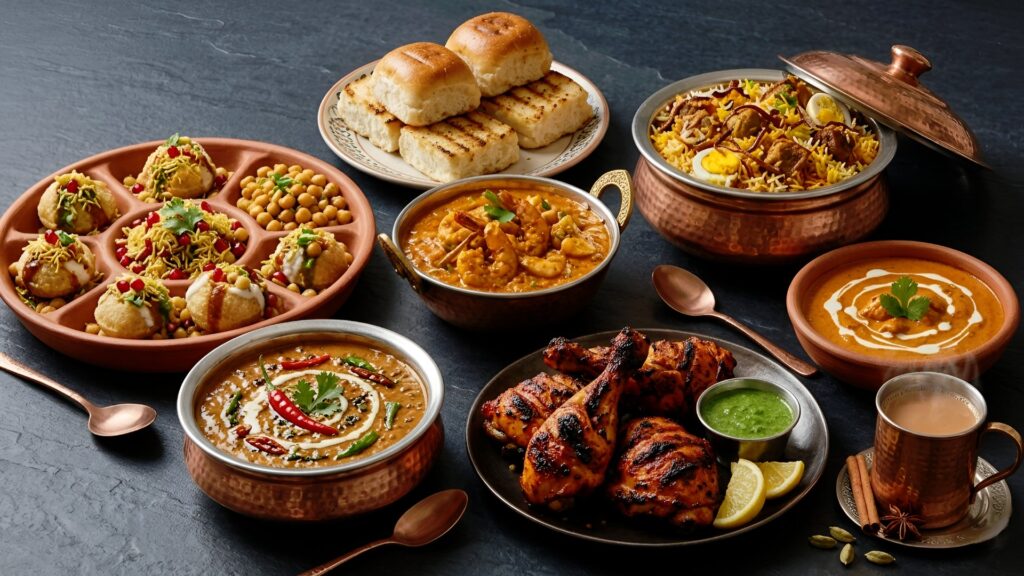
A vibrant mix of Indian recipes for any occasion featuring street food snacks, rich curries, and festive dishes presented in a colorful and diverse collage | Street Style to Fine Dining: 8 Indian Recipes for Any Occasion | The Spice Angel
Festive & Special Occasions

Street Style to Fine Dining: 8 Indian Recipes for Any Occasion

I still remember the first time I understood the full spectrum of Indian cooking. It happened at a Mumbai railway station at 6 AM, standing over a steel plate of pav bhaji that cost twenty rupees. The flavors were explosive, unapologetic, and deeply satisfying. Three days later, I sat at a five-star hotel in Delhi eating the same dish presented with tweezers and edible gold leaf. Same core flavors. Entirely different experience. That journey taught me something important about Indian recipes for any occasion. They don’t belong to one setting. They adapt. They transform. They meet you where you are. At The Spice Angel, I’ve spent years collecting dishes that work across this entire spectrum. Home cooking doesn’t have to choose between casual and formal. Authentic recipes from our archive prove that Indian recipes for any occasion can honor tradition while fitting your specific moment. This collection spans eight different scenarios. Some belong on paper plates at outdoor gatherings. Others deserve your finest china. All deliver the flavors that make Indian food unforgettable. Let’s explore how to cook for every moment life brings your way. These Indian recipes for any occasion will serve you well. Understanding the Spectrum of Indian Cooking Indian food exists on a continuum that few cuisines match. The same spice blend that seasons street chaat also finishes restaurant biryani. This flexibility isn’t accidental. It’s designed into the cooking tradition itself. Street food prioritizes speed, bold flavors, and portability. Fine dining emphasizes presentation, refinement, and layered complexity. Both are authentic. Both matter. Indian recipes for any occasion work when you understand which elements to emphasize. I’ve learned to categorize dishes by their adaptability. Some work better casual. Others elevate beautifully. Knowing which is which transforms how you approach cooking for different moments. Vegetarian preparations often bridge this spectrum most easily. They adapt without losing their soul. The key insight: you don’t need separate recipe collections for different occasions. You need to understand how to present and adjust the same foundational dishes. This realization changed everything about how I cook. Indian recipes for any occasion become simpler this way. The Street Food Mindset: Bold, Fast, Unapologetic Street food isn’t just about location. It’s an approach to cooking that prioritizes immediate satisfaction over refinement. This mindset serves you well for casual gatherings, quick weeknight meals, and situations where comfort matters more than presentation. The spices hit harder. The textures are rougher. The portions are generous. Nothing about this is accidental. Street food evolved to feed working people quickly and memorably. Indian recipes for any occasion include this energy intentionally. I keep certain recipes in my street food category. They’re my go-to when the goal is feeding people without fuss. No plating concerns. No temperature worries. Just good food served hot and fast. This approach has saved countless gatherings. Recipe One: Pav Bhaji That Works Anywhere Pav bhaji represents street food at its finest. Vegetables mashed with spices, served with buttered bread rolls. Simple ingredients transformed into something that feeds the soul. This dish travels the full spectrum from street cart to restaurant table. Start with mixed vegetables. Potatoes, cauliflower, peas, carrots. Boil until tender. Mash roughly. Don’t puree. Texture matters for authenticity. Simple recipes like this prove that complexity isn’t necessary for delicious results. The bhuna masala makes everything work. Onions, tomatoes, ginger, garlic, and spices cooked until oil separates. This base carries the flavor. Add vegetables. Simmer briefly. Serve with toasted pav and lemon wedges. For street style: serve in steel bowls with extra butter. For fine dining: plate individually with microgreen garnish. Same dish. Different presentation. Indian recipes for any occasion adapt this way naturally. Recipe Two: Chaat That Brings People Together Chaat isn’t a single dish. It’s a category of snacks that balance sweet, tangy, spicy, and crunchy. Perfect for gatherings where people graze rather than sit for formal meals. This flexibility makes chaat essential for Indian recipes for any occasion. Start with a base. Boiled potatoes, chickpeas, or fried dough. Add yogurt for creaminess. Tamarind chutney for tang. Mint chutney for freshness. Sprinkle chaat masala. Finish with sev for crunch. The beauty lies in customization. Set up a chaat station. Let guests build their own plates. This works for casual parties and elegant appetizer courses alike. Fried veggies often accompany meals but work equally well as chaat bases. For street style: serve in paper cones eaten standing up. For fine dining: present in individual glasses with precise layering. Same flavors. Different experience. Both authentic. Both delicious. Indian recipes for any occasion include this versatility. Recipe Three: Butter Chicken That Scales Beautifully Butter chicken occupies rare territory. It works for weeknight dinners and anniversary celebrations. This versatility makes it essential for Indian recipes for any occasion. The dish adapts without losing its identity. The marinade matters. Yogurt, ginger-garlic paste, and spices. Let chicken rest minimum two hours. Overnight works better. This step cannot be rushed. Butter chicken recipes showcase how restaurant innovations can become home cooking staples. The gravy combines tomatoes, butter, cream, and aromatic spices. Cook until oil separates. Add cooked chicken. Simmer briefly. Finish with kasuri methi. This final touch creates the signature aroma. For street style: serve in casual bowls with naan. For fine dining: plate with saffron rice and edible flowers. The core dish remains unchanged. Presentation shifts based on occasion. Indian recipes for any occasion work this way. Recipe Four: Biryani That Commands Attention Biryani demands respect. It requires time, attention, and patience. But the results justify the effort. This dish anchors celebrations and elevates any gathering. Essential for Indian recipes for any occasion when you want to impress. Layering creates the magic. Parboiled rice alternates with marinated meat. Each layer gets saffron milk, fried onions, and fresh herbs. Seal the pot. Cook on low heat. The steam does the work. Cooking rice methods varied by region and this dish showcases that diversity beautifully. Hyderabad style differs from Lucknow style. Both work. Choose based on your preference. For street style:
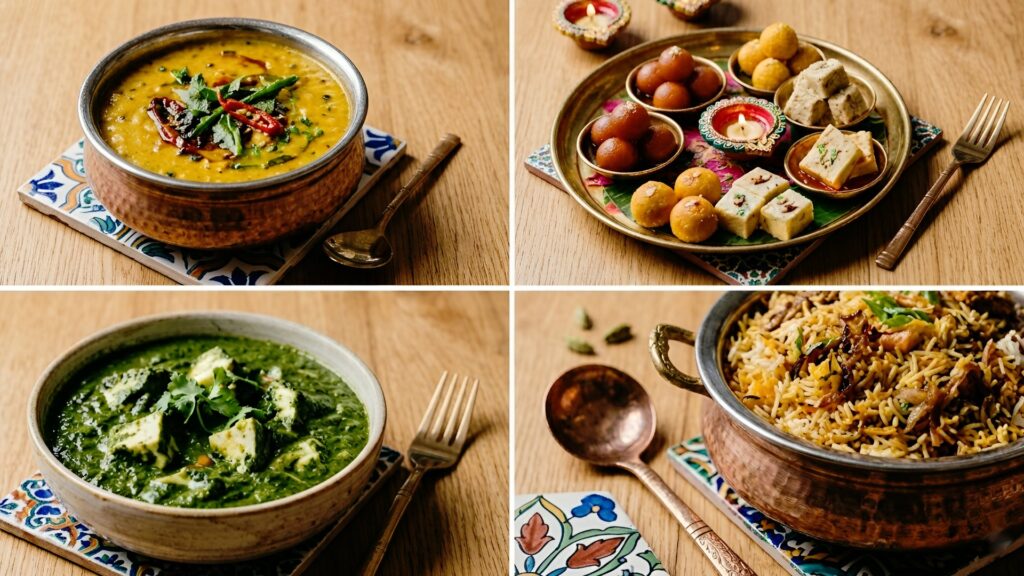
A festive spread of Indian celebration recipes featuring dal, biryani, paneer curry, and traditional sweets served in elegant bowls and plates on a wooden table | Diwali to Dinner Parties: 10 Indian Recipes for Every Celebration | The Spice Angel
Festive & Special Occasions

Diwali to Dinner Parties: 10 Indian Recipes for Every Celebration

The first time I hosted a Diwali gathering in Australia, I made a critical mistake. I tried to cook everything myself while managing guests, decorations, and last-minute shopping. By the time everyone arrived, I was exhausted and barely enjoyed my own party. That experience taught me something valuable about Indian celebration recipes. They should bring joy, not stress. The food should enhance the celebration, not become the entire focus of your energy. At The Spice Angel, I’ve spent years refining which dishes actually work for real celebrations. Home cooking during festivities doesn’t have to mean spending three days in the kitchen. Authentic recipes from our archive prove that Indian celebration recipes can honor tradition while respecting your time and energy. This collection covers ten different occasions. Some require advance preparation. Others come together surprisingly quickly. All deliver the flavors that make celebrations memorable. Let’s explore how to feed your guests without losing yourself in the process. These Indian celebration recipes are designed for real life. Understanding the Rhythm of Indian Celebrations Indian celebrations follow patterns that differ from Western party planning. Multiple dishes arrive simultaneously. Vegetarian and non-vegetarian options coexist. Sweet and savory balance throughout the meal. Understanding this rhythm changes how you approach Indian celebration recipes. The key is preparation hierarchy. Some dishes improve when made ahead. Others must be fresh. Knowing which is which transforms your hosting experience completely. Vegetarian preparations often work better for advance preparation. They reheat well and flavors develop overnight. I’ve learned to categorize dishes by their preparation needs. This simple organization prevents the panic of realizing everything needs the oven at the same time. Indian celebration recipes succeed when you plan the workflow, not just the menu. Planning is half the battle won. The Make-Ahead Strategy That Saves Celebrations Here’s what changed everything for my hosting. I stopped trying to cook everything on the day of the celebration. Instead, I mapped out what could be prepared days in advance. Curries taste better the next day. This isn’t just convenience. Flavors actually develop and meld during storage. Dal and bhuna masala preparations share similar principles but this approach applies across Indian celebration recipes. Prepare these two days ahead. Marinades work overnight. Meat absorbs flavors more deeply with extended marinating time. This means less work on celebration day while achieving better results. The strategy seems obvious now. It took me years to implement it. Rice dishes can be partially cooked ahead. Finish them fresh before serving. This cuts active cooking time significantly during your party. Indian celebration recipes become manageable when you distribute the work across multiple days. Stress reduction is key. Recipe One: Diwali Sweets That Don’t Require Expert Skills Diwali demands sweets. This isn’t negotiable in Indian celebrations. But traditional mithai often requires skills developed over decades. Here’s the solution for rest of us. Kheer works for beginners. Rice, milk, sugar, cardamom. Simmer until thick. Garnish with nuts. That’s it. The simplicity doesn’t diminish its place at your celebration table. Simple recipes like this prove that complexity isn’t necessary for delicious results. Make it the day before. Flavors develop overnight. Serve at room temperature or chilled. Guests will ask for the recipe. They won’t know it took twenty minutes of active work. The lesson here matters beyond this single dish. Indian celebration recipes include options for every skill level. You don’t need to master everything to host successfully. Choose wisely. Confidence builds with success. Recipe Two: Dinner Party Appetizers That Impress Immediately First impressions matter at dinner parties. Your appetizers set the tone for the entire evening. They should be impressive without requiring constant attention while you greet guests. Samosas work well when prepared ahead and reheated. The filling can be made days in advance. Wrapping takes time but can be done the day before. Fry just before guests arrive. The aroma alone creates anticipation. Alternatively, pakoras require less preparation. Vegetables dipped in spiced chickpea batter. Fried until golden. Fried veggies often accompany meals but work equally well as appetizers. Serve with chutneys for complete experience. The key is having appetizers ready when guests arrive. You shouldn’t be frying while trying to welcome people. Indian celebration recipes succeed when you can be present with your guests. Hospitality matters most. Recipe Three: Main Course That Feeds a Crowd Without Stress Main courses for celebrations need to scale. Cooking for four differs enormously from cooking for twelve. The dishes you choose determine whether you survive the experience. Butter chicken scales beautifully. Make the gravy in large batches. Cook chicken separately. Combine before serving. Butter chicken recipes showcase how restaurant innovations can become home cooking staples for celebrations. This approach prevents overcooking. Vegetarian options need equal consideration. Paneer dishes work well for groups. They hold temperature without deteriorating. Guests with dietary restrictions feel included without requiring separate meal preparation. Rice should be cooked in batches. One large pot rarely cooks evenly for crowds. Multiple smaller batches ensure consistent quality. Indian celebration recipes require thinking about logistics, not just flavors. Scale matters significantly. Recipe Four: Festival-Specific Dishes Worth the Effort Some celebrations demand specific dishes. Diwali without certain sweets feels incomplete. Eid requires particular preparations. These dishes carry cultural significance beyond their flavors. For Diwali, gujiya represents tradition. The preparation takes time. The cultural connection makes it worthwhile. Make the filling ahead. Shape with family. This transforms preparation from chore to celebration itself. Prawn curry benefits from proper coconut milk handling techniques for coastal celebrations. Regional festivals often feature local specialties. Research what matters for your specific celebration. Indian celebration recipes connect you to heritage when chosen thoughtfully. Don’t attempt every traditional dish. Choose one or two that matter most to your family. Execute them well rather than attempting everything poorly. Quality over quantity applies to celebration cooking. Focus brings clarity. Recipe Five: Quick Dishes When Guests Arrive Early Life happens. Guests arrive before you’re ready. Traffic was lighter than expected. Someone misunderstood the timing. You need dishes that can be prepared quickly without compromising quality.

Scroll to Top