Quick & Simple Cooking

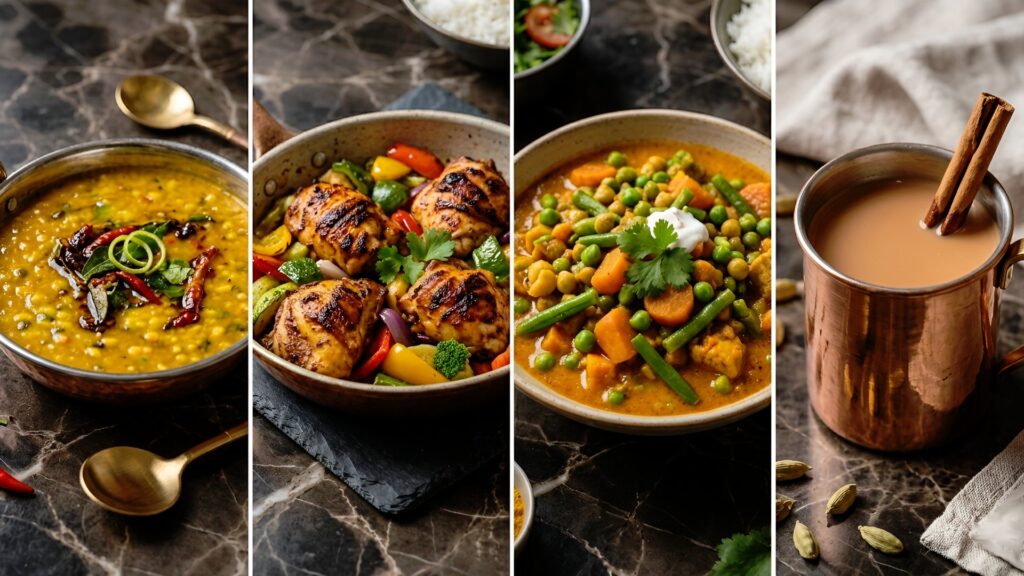
A simple spread of beginner Indian recipes featuring easy curries, dal, vegetables, and rice dishes designed for quick and approachable home cooking | No-Fuss Indian Meals: 7 Recipes for Beginners in 2026 | The Spice Angel
Quick & Simple Cooking

No-Fuss Indian Meals: 7 Recipes for Beginners in 2026

My first attempt at Indian cooking ended with smoke alarms and tears. Not exactly the welcoming introduction I’d hoped for. I’d watched countless videos, read dozens of recipes, and still managed to burn something that should have been impossible to burn. Rice. Somehow, I burned rice. That experience taught me something important about beginner Indian recipes. They need to be forgiving. They need clear instructions. And they need to work for people who don’t have generations of kitchen wisdom passed down through their families. At The Spice Angel, I’ve spent years figuring out which dishes actually work for people new to Indian cooking. Home cooking doesn’t have to intimidate you. Authentic recipes from our archive prove that beginner Indian recipes can deliver real flavors without requiring expert skills. You don’t need to be your grandmother to make food that tastes like it came from hers. This collection comes from actual beginners who succeeded. Not from chefs who forgot what it feels like to not know the difference between cumin and coriander. Seven recipes that build confidence while building flavor. Let’s get started. What Actually Makes a Recipe Beginner-Friendly I’ve tested this question extensively. It’s not just about ingredient count or cooking time. Those matter, but they’re not the whole story. True beginner Indian recipes share specific characteristics. They tolerate timing variations without falling apart. They use spices you can find at regular grocery stores. They don’t require techniques you’ve never seen before. Most importantly, they taste good even when executed imperfectly. Vegetarian preparations often work best for beginners. Fewer variables to manage. Less worry about undercooking protein. More room for error while learning fundamental techniques. This isn’t about limitation. It’s about setting yourself up for success. The recipes I’m sharing today meet every criterion I just described. I’ve watched complete novices make them successfully. I’ve seen them become gateway dishes that build confidence for more adventurous cooking. That’s the goal here. Not perfection. Progress. Understanding Your Spice Drawer Before You Start Here’s something nobody tells beginners. You don’t need twenty spices to cook Indian food. You need five good ones used correctly. Cumin, coriander, turmeric, garam masala, and red chili powder handle most beginner Indian recipes. Everything else enhances. These five form the foundation. Spice blends used in simple cooking prioritize accessibility without sacrificing depth. Buy good quality versions of these five first. Store them away from heat and light. Spices lose potency sitting next to your stove. I learned this after wondering why my cooking stopped tasting like the recipes I followed. Six-month-old spices make six-month-old flavors. Fresh spices make fresh flavors. This matters enormously for beginner Indian recipes. Label everything clearly. Cumin and coriander look identical as ground powders. I’ve added the wrong one mid-recipe more times than I’ll admit. Prevention beats correction when you’re learning. Recipe One: Dal That Forgives Mistakes Red lentil dal might be the most forgiving dish in Indian cooking. It becomes tender quickly. It doesn’t require precise timing. It tastes good even when you get distracted and let it cook longer than planned. Start with one cup of red lentils. Rinse until the water runs mostly clear. This removes excess starch that creates gummy texture. Add three cups of water, salt, and turmeric. Bring to a boil, then reduce to simmer. Twenty minutes later, you have cooked lentils. The tempering transforms basic lentils into something special. Heat ghee or oil in a small pan. Add cumin seeds, minced garlic, and dried red chilies. When garlic turns golden, pour everything over the lentils. The sizzle releases aromas that make your kitchen smell incredible. Dal and bhuna masala techniques share similar principles but this version moves faster for beginners. Serve over cooking rice for a complete protein meal. This is beginner Indian recipes at their best. Simple, forgiving, deeply satisfying. Recipe Two: One-Pan Chicken That Does the Work For You Chicken thighs work better than breasts for beginners. They stay juicy even if you overcook slightly. They’re more forgiving. They cost less. Every advantage matters when you’re learning. Cut chicken into bite-sized pieces. This reduces cooking time and ensures even cooking throughout. Toss with salt, turmeric, and garam masala. Let sit while you prepare other ingredients. Chicken kheema preparations share similar ground meat techniques but this version uses whole pieces for easier handling. Heat oil in a large pan. Add sliced onions and cook until they soften. Add the chicken and cook until it develops color on all sides. Tomatoes go in next. Cook until they break down and create a sauce. That’s it. One pan. Thirty minutes. Dinner. The beauty of this dish lies in its flexibility. Add vegetables if you have them. Skip them if you don’t. Adjust spice levels to your preference. Beginner Indian recipes should adapt to your life, not the other way around. Recipe Three: Rice That Actually Turns Out Fluffy Burnt rice. Mushy rice. Undercooked rice. I’ve made every rice mistake possible. Here’s what finally worked for me consistently. Use a heavy-bottomed pot with a tight-fitting lid. Thin pots create hot spots that burn rice before it cooks through. This matters enormously for beginner Indian recipes where you’re managing multiple components. Measure rice and water precisely. One cup rice to one and a half cups water for basmati. Rinse the rice first. This removes surface starch that creates clumping. Add salt and a bay leaf if you have one. Bring to a boil, then reduce heat to lowest setting. Cover. Don’t peek. Fifteen minutes later, turn off heat. Let sit covered for five more minutes. Then fluff. Lemon rice complements richer dishes with its bright, acidic notes. But master plain rice first. Once you can make fluffy rice consistently, you’ve unlocked half of Indian cooking. Recipe Four: Vegetables That Don’t Turn to Mush Overcooked vegetables plague beginner cooking. They start crisp, then somehow become unrecognizable sludge before you’re ready to serve. Here’s how to prevent that. Cut vegetables uniformly. This ensures even cooking throughout. Mixed sizes mean some
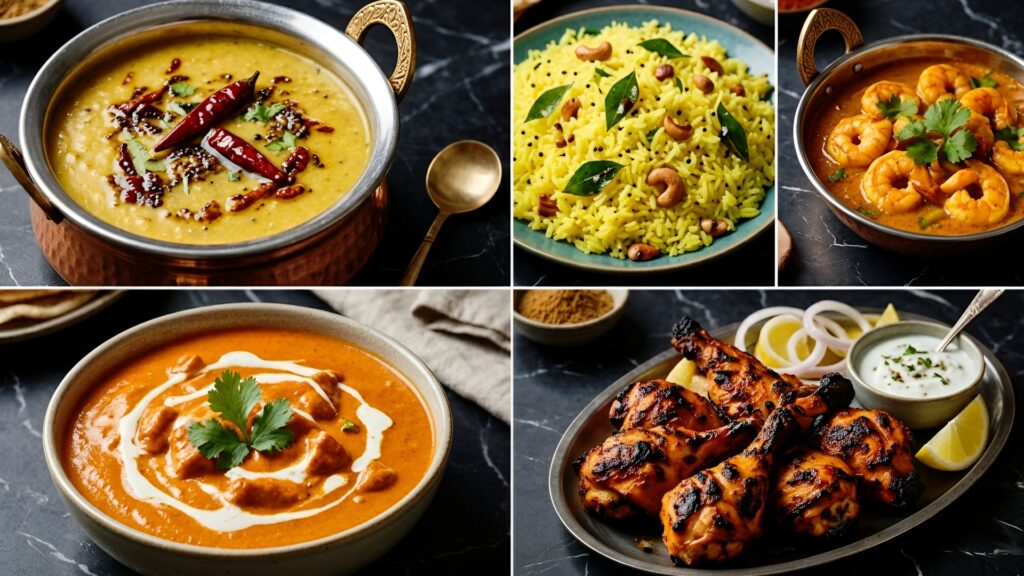
A cozy spread of weeknight Indian dinners featuring rich curries, naan, and spiced dishes prepared for quick and flavorful home meals | Weeknight Indian Dinners: 8 Fast Recipes From The Spice Angel | The Spice Angel
Quick & Simple Cooking

Weeknight Indian Dinners: 8 Fast Recipes From The Spice Angel

Picture this: It’s 6 PM on a Tuesday. You’ve just walked through the door after a long day at work. Your kids are hungry, your energy is low, and the last thing you want to do is spend two hours cooking. This is when weeknight Indian dinners become your saving grace. At The Spice Angel, we understand the real challenges busy families face. Home cooking doesn’t have to mean hours of preparation. Authentic recipes from our archive prove that weeknight Indian dinners can be both quick and deeply flavorful. You don’t need to choose between convenience and authenticity. I remember my own mother pulling together incredible meals after working full days. She had secrets that made weeknight Indian dinners possible without sacrificing the flavors we loved. Those secrets are what I want to share with you today. Eight recipes that respect your time while honoring the culinary traditions that make Indian food so special. The Real Challenge of Weeknight Cooking Let’s be honest about what makes weeknight cooking difficult. It’s not just about time. It’s about mental energy after a long day. It’s about having ingredients on hand. It’s about knowing which shortcuts work and which ones ruin the dish entirely. Many families abandon home cooking during busy weeks because they believe authentic flavors require hours of work. This belief couldn’t be further from the truth. Vegetarian preparations often come together faster than ordering delivery. The key is understanding which techniques actually matter and which steps you can safely skip. Weeknight Indian dinners work when you plan around ingredients that cook quickly. Lentils become tender in thirty minutes. Ground meat browns faster than whole cuts. Vegetables stir-fry in minutes when cut properly. These aren’t compromises. They’re smart cooking decisions that generations of Indian home cooks have perfected. What Makes These Recipes Different I’ve tested countless quick Indian recipes over the years. Most fail in one of two ways. They’re either too simplified to taste authentic, or they claim to be quick but actually require hours of preparation. The recipes I’m sharing today solve both problems. Each recipe in this collection comes from actual weeknight cooking in real Indian households. These aren’t restaurant recipes adapted for home kitchens. They’re home recipes that happen to deliver restaurant-quality flavors. Simple recipes like these prove that complexity isn’t necessary for delicious results. The spice blends used in weeknight Indian dinners differ from elaborate ceremonial preparations. You’ll notice I emphasize spices you likely already have. Cumin, coriander, turmeric, and garam masala form the foundation. Spice blends used in quick cooking prioritize accessibility without sacrificing depth. Recipe One: Fifteen-Minute Dal That Tastes Like Hours Dal might be the perfect weeknight food. It requires minimal prep, cooks quickly, and delivers protein-packed nutrition. But most dal recipes you find online assume you have an hour to spare. This version delivers in fifteen minutes. Start with red lentils instead of whole lentils. They cook in half the time without losing nutritional value. Rinse them thoroughly until the water runs clear. This step removes excess starch that makes dal gummy. Dal and bhuna masala techniques share similar principles but this version moves faster. The tempering makes all the difference. Heat ghee in a small pan until it shimmers. Add cumin seeds, mustard seeds, and dried red chilies. When they pop, pour everything over the cooked dal. The sizzle releases aromas that make your kitchen smell like you’ve been cooking all day. Serve with cooking rice for a complete meal. Recipe Two: Lemon Rice That Comes Together While Rice Cooks Here’s a trick that changes everything: prepare your tempering while the rice cooks. By the time your rice is done, your lemon rice is essentially finished. This is weeknight Indian dinners efficiency at its best. Use day-old rice if you have it. Fresh rice tends to get mushy when tossed with wet ingredients. If you’re cooking fresh rice, spread it on a plate to cool slightly before mixing. This simple step prevents clumping. Lemon rice complements richer dishes with its bright, acidic notes. The tempering starts with mustard seeds in hot oil. When they pop, add curry leaves, dried chilies, and turmeric. Toss gently with cooked rice, then finish with fresh lemon juice. The key is adding lemon after removing from heat. This preserves the bright flavor that makes this dish special. Peanuts add crunch and protein for a complete meal. Recipe Three: Chicken Kheema That Cooks While You Unwind Ground chicken cooks faster than any other protein option. This makes chicken kheema perfect for weeknight Indian dinners when you need dinner on the table quickly. The flavors develop while you change clothes, check emails, or help with homework. Start by browning the meat properly. This creates fond on the pan bottom that adds depth to your gravy. Don’t skip this step even when you’re rushed. Chicken kheema preparations share similar ground meat techniques but this version moves faster. Add onions only after the meat has developed color. Tomatoes go in next, cooked until they break down completely. This creates the gravy base without needing cream or yogurt. Green peas add in the final five minutes. They cook quickly and add color plus nutrition. Serve with store-bought rotis when you need to save even more time. Recipe Four: Prawn Curry That Cooks in Ten Minutes Seafood might be the ultimate weeknight protein. Prawns cook in minutes, not hours. The challenge is timing everything so the prawns don’t overcook while you prepare the gravy. This recipe solves that problem completely. Prepare your gravy base first. Onions, tomatoes, and spices cook while you clean the prawns. By the time your gravy is ready, your prawns are prepped and ready to go. Prawn curry benefits from proper coconut milk handling techniques for best results. Add prawns only in the final minutes. The sign of perfectly cooked prawns is simple. They turn pink and curl slightly. Any longer and they become rubbery. This is why having everything prepped before you start cooking matters so

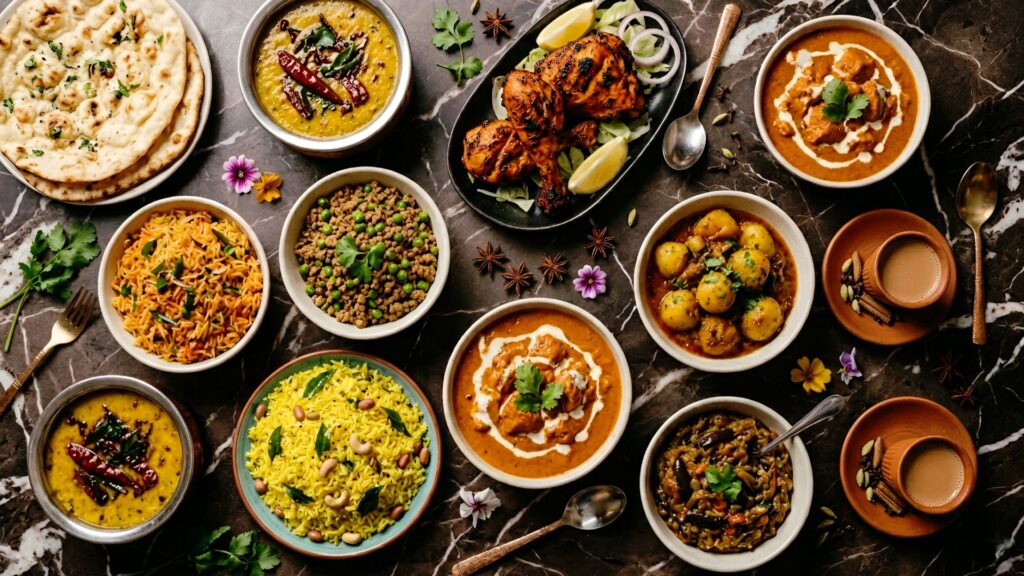
A vibrant spread of simple Indian cooking featuring curries, dal, spiced rice, naan, grilled chicken, and vegetable dishes served with traditional spices and garnishes | Simple Indian Cooking: 10 Recipes Ready in 30 Minutes or Less | The Spice Angel
Quick & Simple Cooking

Simple Indian Cooking: 10 Recipes Ready in 30 Minutes or Less

There is something deeply satisfying about creating a delicious, authentic meal without spending hours in the kitchen. The aromas that fill your home, the pride of serving something wholesome to your family, and the time you save for other important things define smart cooking at its finest. At The Spice Angel, we believe simple Indian cooking represents one of the most practical culinary traditions worth preserving. Vegetarian dishes from across India showcase the incredible diversity of simple Indian cooking options available to home cooks. Authentic recipes from our archive prove that simple Indian cooking extends far beyond what most restaurants serve today. The truth is, simple Indian cooking culture encompasses a wide variety of quick recipes, time-saving techniques, regional styles, and flavor profiles that remain largely unknown to home cooks. Restaurant menus focus on elaborate dishes rather than authentic quick specialties. In this article, we will explore ten recipes that demonstrate why simple Indian cooking deserves a prominent place in modern kitchens. These simple Indian cooking traditions represent centuries of culinary wisdom worth preserving and sharing with future generations who appreciate authentic flavors and convenience. Why Simple Indian Cooking Matters More Than Ever Indian food culture represents one of the most diverse culinary traditions on the planet. Each region developed unique cooking styles based on local ingredients, climate conditions, and cultural influences spanning thousands of years. Home cooking traditions carried stories that written records could not capture effectively. Families passed down simple Indian cooking recipes orally, with each generation adding their own subtle improvements while maintaining core techniques. The wisdom embedded in these cooking methods extends far beyond simple flavor combinations. Our ancestors understood time management, ingredient preparation, and nutritional balance long before these became modern cooking science. Dal and bhuna masala preparations share similar spice techniques but differ in final presentation. This approach created balanced simple Indian cooking meals that supported health across generations without requiring nutritional labels or calorie counting. Unfortunately, many young cooks today never learn these techniques from their elders. Migration to different cities and countries, urbanization, and changing family structures have disrupted the traditional kitchen apprenticeship model. This is why documenting and sharing these forgotten dishes has become such an important mission for culinary preservationists and food lovers. Simple Indian cooking knowledge is disappearing rapidly and needs preservation for future generations seeking convenient meal solutions. The Wisdom Behind Traditional Quick Cooking Practices Traditional cooking operates on principles that modern cooking science is only now beginning to validate through research. The use of specific spice combinations was never arbitrary or random. Each blend served multiple purposes including flavor enhancement, digestion support, natural preservation, and medicinal benefits. Spice blends used in simple Indian cooking differ significantly from Western seasoning rubs available in supermarkets today. Prep techniques with ingredients were designed to maximize efficiency effectively while infusing deep flavors. Proper ingredient organization ensures maximum speed and flavor retention in dishes. Cooking rice methods varied by region and grain type, optimizing texture and nutritional retention for different body types. These techniques represent accumulated knowledge from centuries of careful observation, refinement, and practical experimentation in simple Indian cooking. Understanding this wisdom helps us appreciate why preserving these recipes matters so much for cultural continuity. When we cook using traditional methods, we participate in a chain of cultural transmission stretching back hundreds of years. The flavors connect us to ancestors who perfected these simple Indian cooking recipes through trial, error, dedication, and love for their families. Recipe One: Quick Dal Tadka With Whole Spices Dal Tadka represents the most recognizable simple Indian cooking dish across India and beyond. This lentil preparation appears in countless households across the entire subcontinent with local adaptations. The lentils get cooked quickly before tempering with spices for serving. Simple recipes like this prove that simple Indian cooking does not require complicated ingredients. The cooking process requires attention to lentil texture and spice timing. Lentils get washed and cooked in pressure cooker for speed. Whole spices like cumin, mustard seeds, and dried red chilies infuse the tempering before serving begins. These simple Indian cooking techniques build flavor layers systematically for superior taste. Making Dal Tadka at home requires attention to the cooking process throughout. The lentils should remain tender without becoming mushy during cooking. Many modern cooks add ghee for extra fragrance and texture. Fried veggies often accompany this simple Indian cooking for a complete meal that satisfies the whole family seeking authentic flavors in minimal time. Recipe Two: Lemon Rice With Tempered Spices Lemon Rice showcases the significant South Indian influence on simple Indian cooking styles. This preparation highlights how communities developed distinct rice styles using available lemon ingredients. The rice balances tangy lemon flavor with tempered spices to complement the natural flavors perfectly. Simple Indian cooking adapts to local ingredients effectively for authentic regional taste. The cooking process begins with tempering mustard seeds, curry leaves, and dried chilies in oil. Cooked rice gets tossed gently with this mixture along with turmeric and lemon juice. Peanuts add crunch and protein to complete the dish. These simple Indian cooking techniques require proper moisture management for best results. Serving Lemon Rice requires attention to accompaniments for complete meal experience. Coconut chutney or pickle provides flavorful balance to the tangy rice. Fresh coriander and lemon wedges finish each plate beautifully with bright notes. This recipe teaches respect for ingredients and proper cooking timing for best simple Indian cooking results on busy weeknights. Recipe Three: Tomato Rice With Spiced Base Tomato Rice represents the everyday side of simple Indian cooking. This preparation appears in households across South India with regional adaptations. The rice gets cooked with tomatoes, spices, and aromatic ingredients until it reaches the perfect consistency for serving. Tomato chutney and tomato rice recipes showcase how rice preparation influences overall meal quality. These simple Indian cooking dishes demonstrate how simple vegetables create memorable meals. The cooking process requires patience to develop deep flavors that define this dish properly. Tomatoes get cooked before adding rice and spices. Whole spices

Scroll to Top