One Pot Indian Rice Dishes: 7 Easy Meals for Busy Weeknights
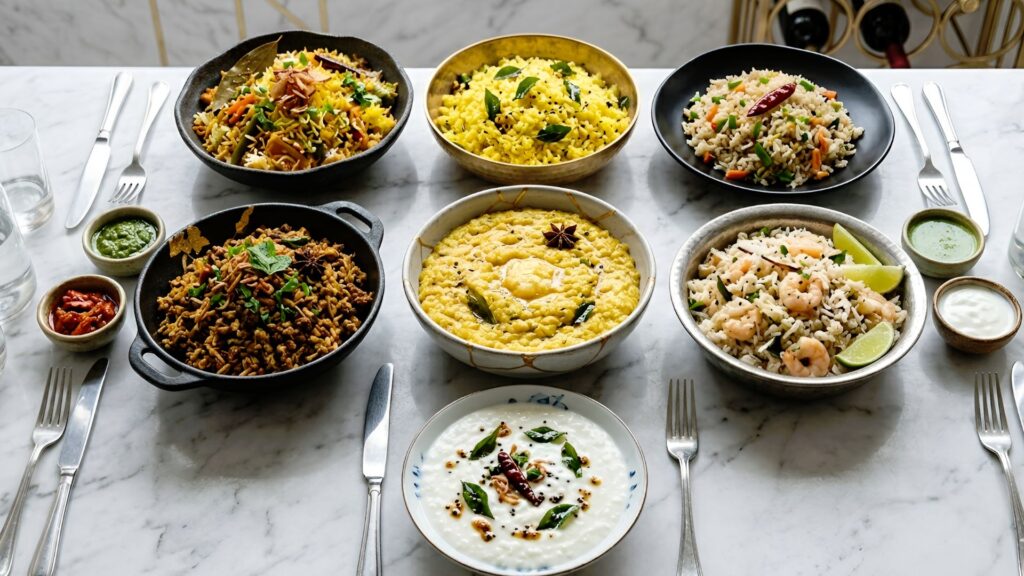
There is something magical about creating a complete meal in a single pot. The aromas that fill your kitchen, the minimal cleanup required, and the satisfaction of serving something wholesome to your family create an experience that defines smart cooking. At The Spice Angel, we believe one pot Indian rice represents one of the most practical culinary traditions worth preserving. Vegetarian dishes from across India showcase the incredible diversity of one pot Indian rice options available to home cooks. Authentic recipes from our archive prove that one pot Indian rice extends far beyond what most restaurants serve today. The truth is, one pot Indian rice culture encompasses a wide variety of rice types, vegetables, proteins, cooking methods, and regional styles that remain largely unknown to home cooks. Restaurant menus focus on crowd-pleasers rather than authentic regional specialties. In this article, we will explore seven recipes that demonstrate why one pot Indian rice deserves a prominent place in modern kitchens. These one pot Indian rice traditions represent centuries of culinary wisdom worth preserving and sharing with future generations who appreciate authentic flavors and convenience. Why One Pot Indian Rice Matters More Than Ever Indian food culture represents one of the most diverse culinary traditions on the planet. Each region developed unique cooking styles based on local ingredients, climate conditions, and cultural influences spanning thousands of years. Home cooking traditions carried stories that written records could not capture effectively. Families passed down one pot Indian rice recipes orally, with each generation adding their own subtle improvements while maintaining core techniques. The wisdom embedded in these cooking methods extends far beyond simple flavor combinations. Our ancestors understood rice varieties, ingredient layering, and nutritional balance long before these became modern cooking science. Dal and bhuna masala preparations share similar lentil techniques but differ in final presentation. This approach created balanced one pot Indian rice meals that supported health across generations without requiring nutritional labels or calorie counting. Unfortunately, many young cooks today never learn these techniques from their elders. Migration to different cities and countries, urbanization, and changing family structures have disrupted the traditional kitchen apprenticeship model. This is why documenting and sharing these forgotten dishes has become such an important mission for culinary preservationists and food lovers. One pot Indian rice knowledge is disappearing rapidly and needs preservation for future generations seeking convenient meal solutions. The Wisdom Behind Traditional One Pot Cooking Practices Traditional cooking operates on principles that modern cooking science is only now beginning to validate through research. The use of specific spice combinations was never arbitrary or random. Each blend served multiple purposes including flavor enhancement, digestion support, natural preservation, and medicinal benefits. Spice blends used in one pot Indian rice differ significantly from Western seasoning rubs available in supermarkets today. Cooking techniques with different rice varieties were designed to optimize texture and nutritional retention effectively. Proper rice-to-liquid ratios ensure balanced meals without excessive carbohydrates. Cooking rice methods varied by region and grain type, optimizing texture and nutritional retention for different body types. These techniques represent accumulated knowledge from centuries of careful observation, refinement, and practical experimentation in one pot Indian rice. Understanding this wisdom helps us appreciate why preserving these recipes matters so much for cultural continuity. When we cook using traditional methods, we participate in a chain of cultural transmission stretching back hundreds of years. The flavors connect us to ancestors who perfected these one pot Indian rice recipes through trial, error, dedication, and love for their families. Recipe One: Classic Vegetable Biryani in One Pot Vegetable Biryani represents the most recognizable one pot Indian rice dish across India and beyond. This aromatic preparation appears in countless regional variations across the entire subcontinent with local adaptations. The rice gets layered with vegetables, spices, and aromatic ingredients before cooking together. Simple recipes like this prove that one pot Indian rice does not require complicated ingredients. The cooking process requires attention to rice texture and vegetable doneness. Basmati rice gets washed and soaked before cooking for best results. Whole spices like cardamom, cinnamon, and cloves infuse the dish before cooking begins. These one pot Indian rice techniques build flavor layers systematically for superior taste. Making Vegetable Biryani at home requires attention to the cooking process throughout. The rice should remain separate without becoming sticky during cooking. Many modern cooks add saffron for extra fragrance and color. Fried veggies can be added to this one pot Indian rice for a complete meal that satisfies the whole family seeking authentic flavors with minimal effort. Recipe Two: Lemon Rice With Tempered Spices Lemon Rice showcases the significant South Indian influence on one pot Indian rice cooking styles. This preparation highlights how communities developed distinct rice styles using available lemon ingredients. The rice balances tangy lemon flavor with tempered spices to complement the natural flavors perfectly. One pot Indian rice adapts to local ingredients effectively for authentic regional taste. The cooking process begins with tempering mustard seeds, curry leaves, and dried chilies in oil. Cooked rice gets tossed gently with this mixture along with turmeric and lemon juice. Peanuts add crunch and protein to complete the dish. These one pot Indian rice techniques require proper moisture management for best results. Serving Lemon Rice requires attention to accompaniments for complete meal experience. Coconut chutney or pickle provides flavorful balance to the tangy rice. Fresh coriander and lemon wedges finish each plate beautifully with bright notes. This recipe teaches respect for ingredients and proper cooking timing for best one pot Indian rice results on busy weeknights. Recipe Three: Tomato Rice With Spiced Base Tomato Rice represents the everyday side of one pot Indian rice cooking. This preparation appears in households across South India with regional adaptations. The rice gets cooked with tomatoes, spices, and aromatic ingredients until it reaches the perfect consistency for serving. Tomato chutney and tomato rice recipes showcase how rice preparation influences overall meal quality. These one pot Indian rice dishes demonstrate how simple vegetables create memorable meals. The cooking process requires