Dal to Dum Aloo: 8 Protein-Packed Indian Vegetarian Meals
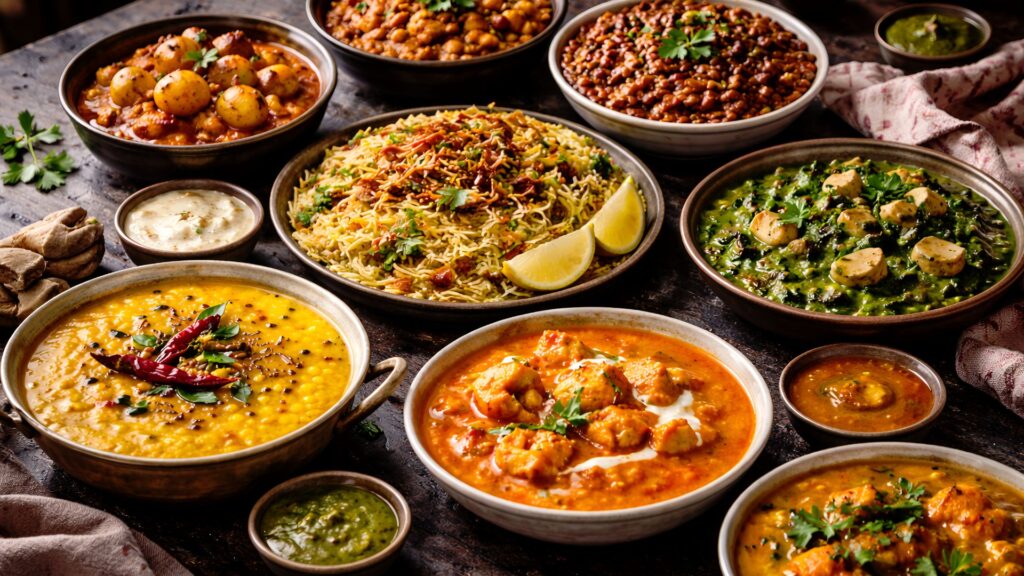
When people think about protein sources, they often assume meat must be involved. However, India has one of the richest vegetarian cooking traditions in the world that proves otherwise. From protein-rich lentils to nutrient-dense paneer dishes, Indian vegetarian meals represent centuries of culinary innovation and nutritional wisdom. At The Spice Angel, we believe Indian vegetarian meals deserve exploration beyond the familiar favorites. Vegetarian dishes from across India showcase the incredible diversity of cooking techniques and protein profiles available to home cooks. Authentic recipes from our archive prove that Indian vegetarian meals extend far beyond what most restaurants serve today. The truth is, Indian vegetarian meals culture encompasses a wide variety of legumes, vegetables, cooking methods, and regional styles that remain largely unknown to home cooks. Restaurant menus focus on crowd-pleasers rather than authentic regional specialties. In this article, we will explore eight recipes that demonstrate why Indian vegetarian meals deserve a prominent place in modern kitchens. These Indian vegetarian meals traditions represent centuries of culinary wisdom worth preserving and sharing with future generations who appreciate authentic flavors and nutrition. Why Indian Vegetarian Meals Matter More Than Ever Indian food culture represents one of the most diverse culinary traditions on the planet. Each region developed unique cooking styles based on local ingredients, climate conditions, and cultural influences spanning thousands of years. Home cooking traditions carried stories that written records could not capture effectively. Families passed down Indian vegetarian meals recipes orally, with each generation adding their own subtle improvements while maintaining core techniques. The wisdom embedded in these cooking methods extends far beyond simple flavor combinations. Our ancestors understood nutrition, food preservation, and seasonal eating long before these became modern wellness trends. Dal and bhuna masala preparations share similar lentil techniques but differ in final presentation. This approach created balanced Indian vegetarian meals that supported health across generations without requiring nutritional labels or calorie counting. Unfortunately, many young cooks today never learn these techniques from their elders. Migration to different cities and countries, urbanization, and changing family structures have disrupted the traditional kitchen apprenticeship model. This is why documenting and sharing these forgotten dishes has become such an important mission for culinary preservationists and food lovers. Indian vegetarian meals knowledge is disappearing rapidly and needs preservation for future generations. The Wisdom Behind Traditional Vegetarian Cooking Practices Traditional cooking operates on principles that modern nutrition science is only now beginning to validate through research. The use of specific spice combinations was never arbitrary or random. Each blend served multiple purposes including flavor enhancement, digestion support, natural preservation, and medicinal benefits. Spice blends used in Indian vegetarian meals differ significantly from Western seasoning rubs available in supermarkets today. Tempering techniques with mustard oil, ghee, or coconut oil were designed to release fat-soluble nutrients from spices effectively. Fermentation processes used in dosa and idli batters increased bioavailability of vitamins and minerals naturally. Cooking rice methods varied by region and grain type, optimizing texture and nutritional retention for different body types. These techniques represent accumulated knowledge from centuries of careful observation, refinement, and practical experimentation in Indian vegetarian meals. Understanding this wisdom helps us appreciate why preserving these recipes matters so much for cultural continuity. When we cook using traditional methods, we participate in a chain of cultural transmission stretching back hundreds of years. The flavors connect us to ancestors who perfected these Indian vegetarian meals recipes through trial, error, dedication, and love for their families. Recipe One: Classic Dal Tadka With Whole Spices Dal Tadka represents the everyday comfort food found in countless Indian households across all regions. This lentil preparation might seem simple on the surface, but its protein profile contains layers of nutrition achieved through proper cooking technique. Simple recipes like this prove that culinary sophistication does not require complicated ingredient lists. Indian vegetarian meals options like dal demonstrate simplicity creates excellence. The secret to great dal lies entirely in the tempering process called tadka in Hindi. Whole cumin seeds, mustard seeds, dried red chilies, and asafoetida get fried in hot ghee until fragrant and popping. This mixture gets poured over cooked lentils immediately, releasing aromas that fill the entire home. Dal and bhuna masala techniques share similar principles of building layered flavors through proper spice treatment. These Indian vegetarian meals techniques build nutrition systematically. Many families have their own variations of this recipe passed through multiple generations. Some add tomatoes for tanginess and color, others include spinach for extra nutrition. Fried veggies often accompany dal for a complete vegetarian meal. This dish reminds us that humble ingredients can create extraordinary meals when treated with care. These Indian vegetarian meals recipes deserve preservation for future generations seeking protein options. Recipe Two: Authentic Dum Aloo From Kashmiri Kitchens Dum Aloo stands as a testament to Kashmiri Pandit culinary ingenuity and constraint-driven creativity. This potato curry achieves remarkable depth of flavor without using onion or garlic. The restriction led cooks to develop alternative flavor-building techniques that remain unique to this cuisine tradition. Dum Aloo recipes showcase how constraints can spark creativity in the kitchen. These Indian vegetarian meals dishes demonstrate innovation through limitation. The gravy base relies on yogurt, ginger powder, and fennel powder for its distinctive taste profile. Baby potatoes get boiled, peeled carefully, and then simmered slowly in the spiced yogurt mixture until tender. Red Kashmiri chilies provide vibrant color without overwhelming heat that would mask other flavors. This balance makes the dish accessible to various palates while maintaining authenticity. These Indian vegetarian meals recipes balance flavors masterfully. Modern cooks often struggle with yogurt-based gravies because they can split during cooking if handled improperly. The key is maintaining low heat and stirring gently throughout the entire cooking process. Some recipes add a tablespoon of rice flour to stabilize the sauce. Parathas and flat breads pair beautifully with Dum Aloo for a complete meal. These Indian vegetarian meals recipes require attention to detail throughout cooking for best protein results. Recipe Three: Classic Chana Masala With Chickpeas Chana Masala represents the protein powerhouse